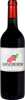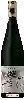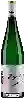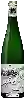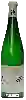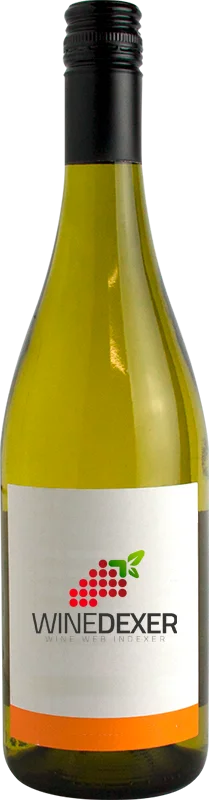
Winery ApelWeisser Burgunder Vom Muschelkalk Trocken
 White wine



In the mouth this white wine is a with a nice freshness.
This wine generally goes well with rich fish (salmon, tuna etc), shellfish or mild and soft cheese.

Taste structure of the Weisser Burgunder Vom Muschelkalk Trocken from the Winery Apel
Light | Bold | |
Dry | Sweet | |
Soft | Acidic |
In the mouth the Weisser Burgunder Vom Muschelkalk Trocken of Winery Apel in the region of Mosel is a with a nice freshness.
Food and wine pairings with Weisser Burgunder Vom Muschelkalk Trocken
Pairings that work perfectly with Weisser Burgunder Vom Muschelkalk Trocken


Original food and wine pairings with Weisser Burgunder Vom Muschelkalk Trocken

The Weisser Burgunder Vom Muschelkalk Trocken of Winery Apel matches generally quite well with dishes of rich fish (salmon, tuna etc), shellfish or mild and soft cheese such as recipes of tuna and cream cheese pie, fish shells or waffles with courgette, emmental and bacon.
Details and technical informations about Winery Apel's Weisser Burgunder Vom Muschelkalk Trocken.
Discover the grape variety: Roi des noirs
Light, simple fruity reds with a pale ruby robe, smooth tannins and an airy palate with moderate acidity, showing understated red fruit aromas. Discreet rustic profile. Preserved in a few ampelographic collections for its heritage value, it belongs to the ancient varieties whose commercial spread has nearly vanished, studied for their genetic interest. Rare black variety, little documented, grown in confidential quantities.
Last vintages of this wine
The best vintages of Weisser Burgunder Vom Muschelkalk Trocken from Winery Apel are 2017, 0
Informations about the Winery Apel
The Winery Apel is one of of the world's greatest estates. It offers 54 wines for sale in the of Mosel to come and discover on site or to buy online.

The wine region of Mosel
Kingdom of lively, crystalline Riesling: citrus, green apple, gunflint, tangy tension and signature slate minerality. From light, fruity Kabinett to off-dry Spätlese, up to sweet Auslese and Trockenbeerenauslese of rare finesse. Some supple Müller-Thurgau and lively Elbling. Steeply sloped vineyards (up to 65% at the Bremmer Calmont) on blue and grey slate, 5,400 ha of Riesling (61.
The word of the wine: Phenolic ripeness
A distinction is made between the ripeness of sugars and acids and the ripeness of tannins and other compounds such as anthocyanins and tannins, which will bring structure and colour. Grapes can be measured at 13° potential without having reached this phenolic maturity. Vinified at this stage, they will give hard, astringent wines, without charm.