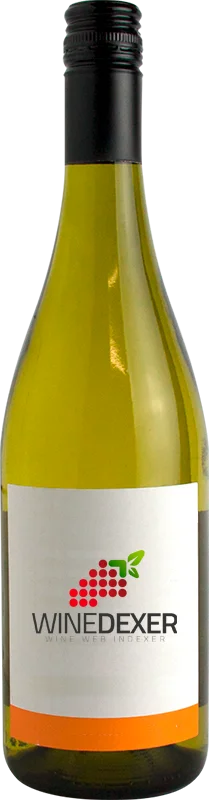
Winery ApelChardonnay Vom Muschelkalk
 White wine
In the mouth this white wine is a powerful with a nice freshness.
This wine generally goes well with pork, vegetarian or poultry.

Taste structure of the Chardonnay Vom Muschelkalk from the Winery Apel
Light | Bold | |
Dry | Sweet | |
Soft | Acidic |
In the mouth the Chardonnay Vom Muschelkalk of Winery Apel in the region of Mosel is a powerful with a nice freshness.
Food and wine pairings with Chardonnay Vom Muschelkalk
Pairings that work perfectly with Chardonnay Vom Muschelkalk



Original food and wine pairings with Chardonnay Vom Muschelkalk

The Chardonnay Vom Muschelkalk of Winery Apel matches generally quite well with dishes of pork, rich fish (salmon, tuna etc) or vegetarian such as recipes of brussels sprouts with bacon in a casserole, quick salmon and zucchini lasagna or light tuna-tomato quiche (without cream).
Details and technical informations about Winery Apel's Chardonnay Vom Muschelkalk.
Discover the grape variety: Chardonnay
Whites with many faces: mineral and taut at Chablis (lemon, green apple, flint), opulent and buttery at Meursault and Puligny-Montrachet (hazelnut, brioche, yellow fruits), tense and chalky in Champagne (Blanc de Blancs). Also vinified sparkling and widely exported (Sonoma, Margaret River, Casablanca). A Burgundian variety, a cross of Pinot Noir × Gouais Blanc, half-sibling of Aligoté.
Informations about the Winery Apel
The Winery Apel is one of of the world's great estates. It offers 54 wines for sale in the of Mosel to come and discover on site or to buy online.

The wine region of Mosel
Kingdom of lively, crystalline Riesling: citrus, green apple, gunflint, tangy tension and signature slate minerality. From light, fruity Kabinett to off-dry Spätlese, up to sweet Auslese and Trockenbeerenauslese of rare finesse. Some supple Müller-Thurgau and lively Elbling. Steeply sloped vineyards (up to 65% at the Bremmer Calmont) on blue and grey slate, 5,400 ha of Riesling (61.
The word of the wine: Hat
Solid part (marc), composed of pips and skins (sometimes of the stalk), which forms at the top of the tank during fermentation. The pigeage consists in breaking this cap to put back in suspension these elements and to favour the exchanges between the juice and the skins.