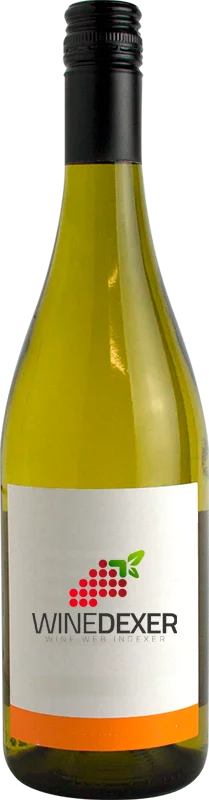
Winery Antonella Ledà d'IttiriVi Mari
 White wine


In the mouth this white wine is a powerful.
This wine generally goes well with vegetarian, appetizers and snacks or shellfish.

Taste structure of the Vi Mari from the Winery Antonella Ledà d'Ittiri
Light | Bold | |
Dry | Sweet | |
Soft | Acidic |
In the mouth the Vi Mari of Winery Antonella Ledà d'Ittiri in the region of Sardinia is a powerful.
Food and wine pairings with Vi Mari
Pairings that work perfectly with Vi Mari



Original food and wine pairings with Vi Mari
The Vi Mari of Winery Antonella Ledà d'Ittiri matches generally quite well with dishes of shellfish, vegetarian or appetizers and snacks such as recipes of fish curry à la reunion, tuna, pepper and tomato quiche or fresh vegetable dips and their sauces for the aperitif.
Details and technical informations about Winery Antonella Ledà d'Ittiri's Vi Mari.
Discover the grape variety: Vermentino
Nervy, saline whites with cutting acidity and enveloping richness, showing aromas of grapefruit, lime, pear, white flowers, fresh almond, fennel and marine iodine notes. Slightly bitter finish. Star of Sardinia (Vermentino di Gallura DOCG), Liguria, coastal Tuscany (Bolgheri) and Corsica. Also in Provence and Languedoc-Roussillon as Rolle. An autochthonous Mediterranean variety.
Last vintages of this wine
The best vintages of Vi Mari from Winery Antonella Ledà d'Ittiri are 2018, 2017, 0
Informations about the Winery Antonella Ledà d'Ittiri
The Winery Antonella Ledà d'Ittiri is one of of the world's greatest estates. It offers 8 wines for sale in the of Sardinia to come and discover on site or to buy online.

The wine region of Sardinia
Italian Mediterranean wine island with 250+ varieties, strong native identity. Signature Cannonau (Grenache) in red: warm and deep with signature ripe cherry, garrigue, myrtle, spice and a balsamic touch, round tannins and a sun-drenched palate. Vermentino di Gallura DOCG star white (80% of Italian Vermentino): fresh and saline (citrus, pear, almond, sea iodine). Also dense Carignan, supple Monica, lively Nuragus, rare oxidative Vernaccia di Oristano.
The word of the wine: pH
Short for "hydrogen potential", the pH is a parameter that defines whether a medium is acidic or basic. A high pH gives a soft wine, a very low pH translates into a wine that is too acidic.