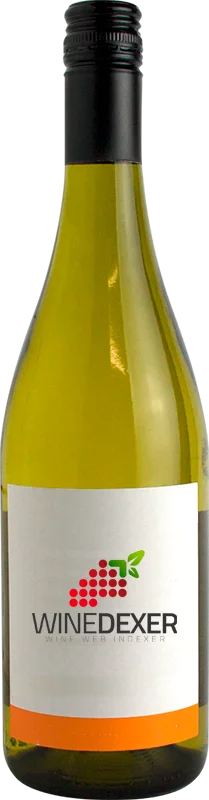
Winery AntignianoNoi Grechetto
 White wine


In the mouth this white wine is a with a nice freshness.
This wine generally goes well with vegetarian, appetizers and snacks or lean fish.

Taste structure of the Noi Grechetto from the Winery Antigniano
Light | Bold | |
Dry | Sweet | |
Soft | Acidic |
In the mouth the Noi Grechetto of Winery Antigniano in the region of Umbria is a with a nice freshness.
Food and wine pairings with Noi Grechetto
Pairings that work perfectly with Noi Grechetto



Original food and wine pairings with Noi Grechetto


The Noi Grechetto of Winery Antigniano matches generally quite well with dishes of pasta, vegetarian or appetizers and snacks such as recipes of lasagne simplissimo, zucchini and goat cheese quiche or verrine of beetroot and saint moret.
Details and technical informations about Winery Antigniano's Noi Grechetto.
Discover the grape variety: Nerettia cuneese
Light and delicate reds with a clear ruby robe, soft tannins and an airy palate, signature aromas of cherry, fresh red fruits and sweet spice notes. Discreet heritage profile. Now almost extinct, surviving in a few conservation vineyards in southern Piedmont and the subject of varietal preservation studies. Rare Piedmontese black grape grown in the province of Cuneo.
Last vintages of this wine

The best vintages of Noi Grechetto from Winery Antigniano are 2013, 0
Informations about the Winery Antigniano
The Winery Antigniano is one of of the world's great estates. It offers 22 wines for sale in the of Umbria to come and discover on site or to buy online.

The wine region of Umbria
"Green heart" of Italy, cradle of Sagrantino: exceptional tannic red in Sagrantino di Montefalco DOCG, dense and concentrated with notes of blackberry, candied plum, liquorice, spice and leather, powerful tannins and long ageing. Suppler Sangiovese in blends, Cabernet and Merlot in Torgiano DOCG. Orvieto whites based on Grechetto and Trebbiano, full and almondy, from dry to sweet Muffato. ~13,000 ha between Tuscany and Lazio.
The word of the wine: Cooperative cellar
A collective production structure to which winegrowers belong in order to pool their grapes, transform them into wine and ensure its marketing.