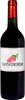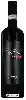
Winery Ante HirpisAglianico
 Red wine
In the mouth this red wine is a powerful with a lot of tannins present in the mouth.
This wine generally goes well with beef, lamb or pasta.

Taste structure of the Aglianico from the Winery Ante Hirpis
Light | Bold | |
Smooth | Tannic | |
Dry | Sweet | |
Soft | Acidic |
In the mouth the Aglianico of Winery Ante Hirpis in the region of Campania is a powerful with a lot of tannins present in the mouth.
Food and wine pairings with Aglianico
Pairings that work perfectly with Aglianico



Original food and wine pairings with Aglianico
The Aglianico of Winery Ante Hirpis matches generally quite well with dishes of beef, pasta or lamb such as recipes of quick beef bourguignon, bean soup and spaghetti (traditional andalusian dish) or shoulder of lamb on a bed of potatoes.
Details and technical informations about Winery Ante Hirpis's Aglianico.
Discover the grape variety: Aglianico
Powerful, tannic reds with deep colour and tight structure, with aromas of black cherry, blackberry, leather, tobacco, coffee and balsamic-volcanic mineral notes. High acidity and very fine ageing potential, often compared to nebbiolo. Star of Taurasi DOCG in Campania and Aglianico del Vulture DOCG in Basilicata (vines planted on volcanic soils). Late-ripening southern Italian variety of probable ancient Greek origin.
Informations about the Winery Ante Hirpis
The Winery Ante Hirpis is one of of the world's greatest estates. It offers 19 wines for sale in the of Campania to come and discover on site or to buy online.

The wine region of Campania
Cradle of southern Italy's great wines on volcanic soils. Majestic Aglianico in red: structured, deep and tannic with notes of black cherry, candied plum, leather and spices, sublimated in age-worthy Taurasi DOCG, the "Barolo of the south". Identity whites of Irpinia: opulent Fiano di Avellino (honey, hazelnut), mineral iodine Greco di Tufo, aromatic Falanghina (peach, flowers). Also supple Piedirosso.
The word of the wine: Decanter
1) Glass container with a narrow neck used to aerate or decant the wine. 2) Decanter wines: wines that are drunk young and that were once drawn directly from the barrel. For example, some Muscadets or Beaujolais.