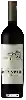
Winery AnimalSangiovese Orgánico
 Red wine


In the mouth this red wine is a with a nice freshness.
This wine generally goes well with poultry, beef or veal.

Taste structure of the Sangiovese Orgánico from the Winery Animal
Light | Bold | |
Smooth | Tannic | |
Dry | Sweet | |
Soft | Acidic |
In the mouth the Sangiovese Orgánico of Winery Animal in the region of Mendoza is a with a nice freshness.
Food and wine pairings with Sangiovese Orgánico
Pairings that work perfectly with Sangiovese Orgánico



Original food and wine pairings with Sangiovese Orgánico

The Sangiovese Orgánico of Winery Animal matches generally quite well with dishes of beef, veal or game (deer, venison) such as recipes of spit-turned boar leg (oven) with "automatic watering"., marinated veal skewers with herbs or duck breast with honey, potato and onion with garlic.
Details and technical informations about Winery Animal's Sangiovese Orgánico.
Discover the grape variety: Sangiovese
Firm, upright reds with precise acidity and angular tannins, showing aromas of sour cherry, plum, dried herbs, leather, black tea and balsamic notes. Characteristically bitter, savoury finish. Star of Chianti Classico DOCG, Brunello di Montalcino DOCG, Vino Nobile di Montepulciano DOCG and Morellino di Scansano. Italy's most planted variety, a descendant of Ciliegiolo × Calabrese di Montenuovo.
Last vintages of this wine
The best vintages of Sangiovese Orgánico from Winery Animal are 2018, 0
Informations about the Winery Animal
The Winery Animal is one of of the world's greatest estates. It offers 16 wines for sale in the of Mendoza to come and discover on site or to buy online.

The wine region of Mendoza
World capital of Malbec: powerful, deep reds with blackberry, plum, violet and sweet spice, round tannins and vivid fruit. Also firm Cabernet Sauvignon, supple, juicy Bonarda, aromatic floral white Torrontés. High-altitude vineyards (800-1,700 m) at the foot of the Andes, dry continental climate irrigated by glacial waters. ~80% of Argentine output across 150,000 ha.
The word of the wine: VQPRD
Quality wine produced in a specific region. European designation that groups together appellation wines, i.e., in France, AOC and VDQS.