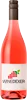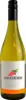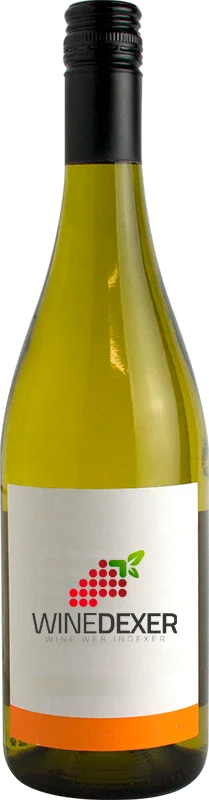
Winery AmigdalaLia Zibibbo
 White wine
In the mouth this white wine is a powerful.
This wine generally goes well with vegetarian, appetizers and snacks or shellfish.

Taste structure of the Lia Zibibbo from the Winery Amigdala
Light | Bold | |
Dry | Sweet | |
Soft | Acidic |
In the mouth the Lia Zibibbo of Winery Amigdala in the region of Sicily is a powerful.
Food and wine pairings with Lia Zibibbo
Pairings that work perfectly with Lia Zibibbo



Original food and wine pairings with Lia Zibibbo
The Lia Zibibbo of Winery Amigdala matches generally quite well with dishes of shellfish, vegetarian or appetizers and snacks such as recipes of cuttlefish armorican style (morgate), cream and tuna quiche or lupine seeds for kemia (the aperitif).
Details and technical informations about Winery Amigdala's Lia Zibibbo.
Discover the grape variety: Muscadine
Sweet and liqueur wines with a highly distinctive foxy, musky character, amber to golden colour, lush palate, showing powerful signature aromas of wild muscat (foxy signature), exotic fruits, flowers and earthy notes. Distinctly southern American identity. Grown in the south-eastern United States (Carolinas, Florida), resistant to phylloxera and disease, used in modern hybridisation programmes. Family of American varieties of the Vitis rotundifolia species.
Informations about the Winery Amigdala
The Winery Amigdala is one of of the world's greatest estates. It offers 4 wines for sale in the of Sicily to come and discover on site or to buy online.

The wine region of Sicily
Major qualitative renewal. Sunny, expressive reds: fleshy, spicy Nero d'Avola (black cherry, blackberry, liquorice), fine, mineral Nerello Mascalese on Etna (recalls Pinot Noir), light, crisp Frappato in Cerasuolo di Vittoria DOCG. Lively, saline whites: Catarratto, fat, iodised Grillo, taut Carricante, floral Inzolia. Amber, walnutty fortified Marsala.
The word of the wine: Friendly
Said of a wine whose aspects are pleasant and not too marked.