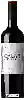
Winery AluxorTinto Ecológico
 Red wine


In the mouth this red wine is a powerful.
This wine generally goes well with poultry, beef or veal.

Taste structure of the Tinto Ecológico from the Winery Aluxor
Light | Bold | |
Smooth | Tannic | |
Dry | Sweet | |
Soft | Acidic |
In the mouth the Tinto Ecológico of Winery Aluxor in the region of Castille is a powerful.
Food and wine pairings with Tinto Ecológico
Pairings that work perfectly with Tinto Ecológico



Original food and wine pairings with Tinto Ecológico

The Tinto Ecológico of Winery Aluxor matches generally quite well with dishes of beef, pasta or veal such as recipes of roast monkfish with bacon, pasta with auvergne blue cheese or sauté of veal with carrots.
Details and technical informations about Winery Aluxor's Tinto Ecológico.
Discover the grape variety: Furmint
Taut, structured whites with cutting acidity and a mineral mouth, featuring aromas of apple, quince, citrus, honey, smoke and chalk notes. Made as ambitious dry wines (Tokaji száraz, Somló), off-dry and especially sumptuous botrytised sweet wines: Tokaji Aszú (legendary, classified by puttonyos) and Tokaji Eszencia. Highly susceptible to noble rot. The absolute star of Tokaj in Hungary, also in Slovakia, Slovenia (Šipon) and Austria. Native Hungarian grape.
Last vintages of this wine
The best vintages of Tinto Ecológico from Winery Aluxor are 2018, 0
Informations about the Winery Aluxor
The Winery Aluxor is one of of the world's greatest estates. It offers 5 wines for sale in the of Castille to come and discover on site or to buy online.

The wine region of Castille
Cradle of great Castilian reds, high-altitude plateaus (450-1000 m) along the Duero. Tempranillo king (aka Tinta de Toro, Tinto Fino): powerful, concentrated, structured reds with notes of black cherry, plum, leather, tobacco and spice, firm tannins from altitude and cool nights. Stars: Ribera del Duero (Vega Sicilia, Pingus), fleshy Toro, Bierzo (floral, mineral Mencía). Lively, herbaceous Verdejo whites from Rueda.
The word of the wine: Decanting
Decanting, an operation performed by a sommelier with a decanter to separate the clear wine from the solid parts in a bottle.