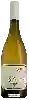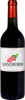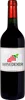
Winery AlaryFitou
 Red wine


This wine generally goes well with beef, veal or pasta.

Food and wine pairings with Fitou
Pairings that work perfectly with Fitou



Original food and wine pairings with Fitou
The Fitou of Winery Alary matches generally quite well with dishes of beef, pasta or veal such as recipes of pasta bolognese, lasagne with salmon, goat cheese and spinach or adapted vietnamese fondue.
Details and technical informations about Winery Alary's Fitou.
Discover the grape variety: Savatiano
Simple, fresh dry whites with a pale robe, supple palate and moderate acidity, showing discreet aromas of citrus, apple, white flowers, aromatic herbs and sunny notes. Drought-resistant Attica variety, traditionally used in Retsina (pine-resin wine) and modern dry whites revisited by contemporary producers in Markopoulo and Spata. Autochthonous Greek variety from Attica, the most planted in Greece.
Informations about the Winery Alary
The Winery Alary is one of of the world's great estates. It offers 26 wines for sale in the of Fitou to come and discover on site or to buy online.

The wine region of Fitou
Languedoc's 1st red AOC (1948), realm of Carignan on 2 separated entities (maritime Leucate lagoon, mountainous Mont Tauch). Signature powerful structured reds with notes of black cherry, blackberry, garrigue, liquorice, pepper and schistous mineral touch, firm tannins and warm mouth — sunny ageing wines (5-15 years). Grenache brings finesse and fruit, Syrah spice, Mourvèdre depth. Schist and limestone soils over ~2,500 ha.
The wine region of Languedoc-Roussillon
Largest single French vineyard, dominated by sunny, generous reds. Spicy Syrah, candied Grenache (ripe fruit, garrigue), structured Carignan, deep Mourvèdre, supple Cinsault. Stars: structured Corbières, Minervois, Faugères, Saint-Chinian; round Côtes-du-Roussillon. Legendary vins doux naturels: Banyuls and Maury (fortified Grenache) with notes of cocoa, fig, prune.
The word of the wine: Green harvest or green harvesting
The practice of removing excess bunches of grapes from certain vines, usually in July, but sometimes later. This is often necessary, but not always a good thing, as the remaining grapes tend to gain weight.