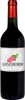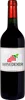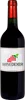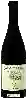
Château AiguillouxAventure Corbières
 Red wine



This wine generally goes well with beef, lamb or mature and hard cheese.

Wine flavors and olphactive analysis


On the nose the Aventure Corbières of Château Aiguilloux in the region of Languedoc-Roussillon often reveals types of flavors of leather, earth or oak and sometimes also flavors of black fruit.
Food and wine pairings with Aventure Corbières
Pairings that work perfectly with Aventure Corbières



Original food and wine pairings with Aventure Corbières

The Aventure Corbières of Château Aiguilloux matches generally quite well with dishes of beef, lamb or spicy food such as recipes of beef tongue in hot sauce, merguez - courgettes gratin (leftover barbecue) or coral lentil salad.
Details and technical informations about Château Aiguilloux's Aventure Corbières.
Discover the grape variety: Vilana
Dry, vivid and fresh whites with a pale golden robe, slender mouthfeel and preserved acidity, with delicate aromas of citrus (lemon, grapefruit), green apple, pear, white flowers, Mediterranean herbs and saline mineral notes. Thirst-quenching profile and aromatic finesse. Star of Peza PDO in central Crete (Heraklion), often blended with Vidiano and Thrapsathiri. An autochthonous Greek Cretan variety, signature of easy-drinking island whites and the viticultural revival of Crete.
Last vintages of this wine
The best vintages of Aventure Corbières from Château Aiguilloux are 2016, 2015, 2011, 2014 and 2010.
Informations about the Château Aiguilloux
The Château Aiguilloux is one of of the world's greatest estates. It offers 16 wines for sale in the of Languedoc-Roussillon to come and discover on site or to buy online.

The wine region of Languedoc-Roussillon
Largest single French vineyard, dominated by sunny, generous reds. Spicy Syrah, candied Grenache (ripe fruit, garrigue), structured Carignan, deep Mourvèdre, supple Cinsault. Stars: structured Corbières, Minervois, Faugères, Saint-Chinian; round Côtes-du-Roussillon. Legendary vins doux naturels: Banyuls and Maury (fortified Grenache) with notes of cocoa, fig, prune.
The word of the wine: Turbidity
The state of a cloudy wine, due to the presence of colloidal suspensions that prevent the passage of light.