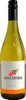
Winery Adega de PenalvaMalvasia Fina
 White wine



In the mouth this white wine is a powerful with a nice freshness.
This wine generally goes well with appetizers and snacks, lean fish or shellfish.
Taste structure of the Malvasia Fina from the Winery Adega de Penalva
Light | Bold | |
Dry | Sweet | |
Soft | Acidic |
In the mouth the Malvasia Fina of Winery Adega de Penalva in the region of Beiras is a powerful with a nice freshness.
Food and wine pairings with Malvasia Fina
Pairings that work perfectly with Malvasia Fina



Original food and wine pairings with Malvasia Fina

The Malvasia Fina of Winery Adega de Penalva matches generally quite well with dishes of shellfish, appetizers and snacks or lean fish such as recipes of scallops with cream, pretzels (alsace) or fish casserole with small vegetables, chives and paprika.
Details and technical informations about Winery Adega de Penalva's Malvasia Fina.
Discover the grape variety: Raboso Piave
A very old variety known and cultivated more precisely in the north-east of Italy in the Veneto region (provinces of Treviso, Padua, Venice, etc.), not to be confused with Raboso Veronese, which is the result of an intraspecific cross between Raboso Piave and Marzemina Bianca. Raboso Piave is practically unknown in other wine-producing countries.
Last vintages of this wine
The best vintages of Malvasia Fina from Winery Adega de Penalva are 2018, 0, 2017, 2014
Informations about the Winery Adega de Penalva
The Winery Adega de Penalva is one of of the world's greatest estates. It offers 38 wines for sale in the of Dão to come and discover on site or to buy online.

The wine region of Dão
The wine region of Dão is located in the region of Beiras of Portugal. We currently count 316 estates and châteaux in the of Dão, producing 1397 different wines in conventional, organic and biodynamic agriculture. The wines of Dão go well with generally quite well with dishes .
The wine region of Beiras
Beiras (Beira) is a traditional administrative region in the northern half of Portugal. It is also the name of the IGP, or Indicacoes Geograficas Protegidas, wine classification (formerly known as Vinho Regional) which covers the region as a whole. A wide range of wines are made in Beiras – red wines from the region are typically Rich, deeply colored wines made from Baga, Castelão, Rufete (Tinto Pinheira), Merlot, Cabernet Sauvignon, Syrah and Touriga Nacional, and are sometimes fortified to emulate their more famous Oporto cousins. Whites are most often based on Fernão Pires and Bical, the latter being a small-berried variety with the affectionate nickname Borrado das Moscaos ('fly droppings').
The word of the wine: Deposit
Solid particles that can naturally coat the bottom of a bottle of wine. It is rather a guarantee that the wine has not been mistreated: in fact, to avoid the natural deposit, rather violent processes of filtration or cold passage (- 7 or - 8 °C) are used in order to precipitate the tartar (the small white crystals that some people confuse with crystallized sugar: just taste to dissuade you from it)