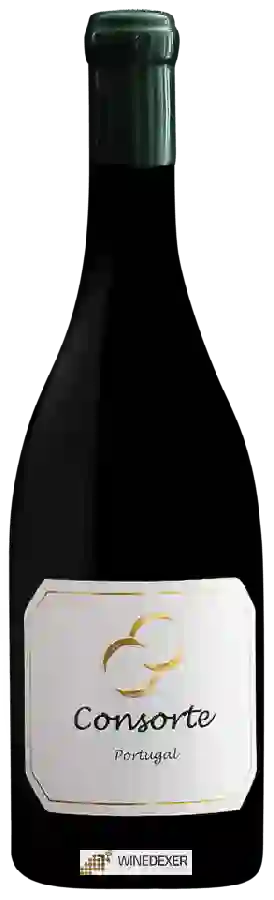
Winery Adega da VaraConsorte
 White wine


In the mouth this white wine is a powerful with a nice freshness.
This wine generally goes well with appetizers and snacks, lean fish or shellfish.
The Consorte of the Winery Adega da Vara is in the top 5 of wines of Minho.
Taste structure of the Consorte from the Winery Adega da Vara
Light | Bold | |
Dry | Sweet | |
Soft | Acidic |
In the mouth the Consorte of Winery Adega da Vara in the region of Minho is a powerful with a nice freshness.
Food and wine pairings with Consorte
Pairings that work perfectly with Consorte



Original food and wine pairings with Consorte

The Consorte of Winery Adega da Vara matches generally quite well with dishes of shellfish, appetizers and snacks or lean fish such as recipes of pike quenelles with lobster bisque sauce, palm trees for the aperitif! or cod coco à la samana (dominican republic).
Details and technical informations about Winery Adega da Vara's Consorte.
Discover the grape variety: Schoenburger
This variety is the result of an intraspecific cross between Pinot Noir and Pirovano 1 (Chasselas rose x Hamburg Muscat), obtained in 1939 by Heinrich Birk at the Geinsenheim Research Station (Germany). It can be found not only in Germany but also in Great Britain, Belgium, Italy, the Czech Republic, Brazil, South Africa, Australia, the United States, Canada, etc. In France, it is almost unknown.
Last vintages of this wine
The best vintages of Consorte from Winery Adega da Vara are 2018
Informations about the Winery Adega da Vara
The Winery Adega da Vara is one of of the world's greatest estates. It offers 2 wines for sale in the of Minho to come and discover on site or to buy online.

The wine region of Minho
Minho is Portugal's Northernmost wine region. It is known for one wine style above all others: crisp, light, white Vinho Verde, whose DOC zone covers the same territory. The Minho name is used for the area's Vinho Regional designation (similar to the French IGP). The latter's looser production laws allow more diversity in the average winery's portfolio, including red and rosé wines.
The word of the wine: Shiraz
See syrah.