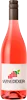
Winery ZupaMedaš Crni
 Red wine



This wine generally goes well with
Details and technical informations about Winery Zupa's Medaš Crni.
Discover the grape variety: Robin noir
Discovered in the 1870s by Mr. Robin, who lived in the Drôme at the time in Lapeyrouse-Mornay, this ancient grape variety is believed to have originated in the north of Isère. It can also be found in Switzerland. According to Thierry Lacombe (I.N.R.A./Montpellier), it is the result of a natural intraspecific crossing between Tressot Noir and Mondeuse Blanche. It should be noted in passing that, on the one hand, it has exactly the same parents as the mondeuse noire, that on the other hand, it is the mother of the diolinoir and, finally, is related to the servanin. Robin noir is not widely propagated today because it is not well known, although it is listed in the Official Catalogue of Wine Grape Varieties, list A1.
Last vintages of this wine
The best vintages of Medaš Crni from Winery Zupa are 0
Informations about the Winery Zupa
The Winery Zupa is one of of the world's great estates. It offers 32 wines for sale in the of Central Serbia to come and discover on site or to buy online.

The wine region of Central Serbia
The wine region of Central Serbia of Serbia. Wineries and vineyards like the Domaine Matalj Vinarija or the Domaine Aleksandrovic produce mainly wines red, white and pink. The most planted grape varieties in the region of Central Serbia are Cabernet-Sauvignon, Merlot and Chardonnay, they are then used in wines in blends or as a single variety. On the nose of Central Serbia often reveals types of flavors of minerality, oil or cheese and sometimes also flavors of floral, cream or smoke.
The word of the wine: Maceration
Prolonged contact and exchange between the juice and the grape solids, especially the skin. Not to be confused with the time of fermentation, which follows maceration. The juice becomes loaded with colouring matter and tannins, and acquires aromas. For a rosé, the maceration is short so that the colour does not "rise" too much. For white wines too, a "pellicular maceration" can be practised, which allows the wine to acquire more fat.