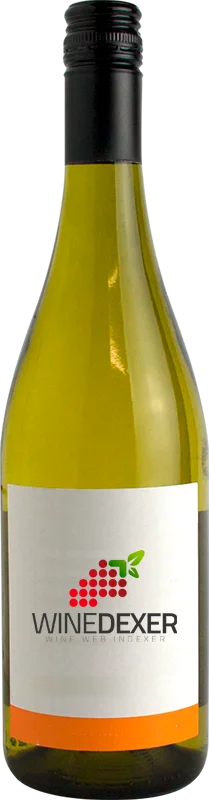
Winery Žitavské VinicePinot Gris
 White wine



This wine generally goes well with rich fish (salmon, tuna etc), shellfish or mature and hard cheese.
The Pinot Gris of the Winery Žitavské Vinice is in the top 40 of wines of Nitrianska.

Wine flavors and olphactive analysis


On the nose the Pinot Gris of Winery Žitavské Vinice in the region of Nitrianska often reveals types of flavors of microbio.
Food and wine pairings with Pinot Gris
Pairings that work perfectly with Pinot Gris



Original food and wine pairings with Pinot Gris
The Pinot Gris of Winery Žitavské Vinice matches generally quite well with dishes of rich fish (salmon, tuna etc), shellfish or mature and hard cheese such as recipes of zucchini gratin with tuna and tomato, fish curry à la reunion or saint nectaire cheese spread with local ham.
Details and technical informations about Winery Žitavské Vinice's Pinot Gris.
Discover the grape variety: Pinot gris
Rich, ample whites with a golden robe, showing aromas of pear, quince, honey, smoke, ginger and spice. Made as structured dry wines (Alsace AOC), off-dry and sumptuous late-harvest sweet (vendange tardive, sélection de grains nobles). Lighter and crisper in Italy as Pinot Grigio (Veneto, Friuli). Also in Germany (Grauburgunder), Hungary (Szürkebarát) and Oregon. A grey mutation of Pinot Noir.
Last vintages of this wine
The best vintages of Pinot Gris from Winery Žitavské Vinice are 0
Informations about the Winery Žitavské Vinice
The Winery Žitavské Vinice is one of of the world's greatest estates. It offers 31 wines for sale in the of Nitrianska to come and discover on site or to buy online.

The wine region of Nitrianska
Wine region of southwestern Slovakia around Nitra. Aromatic whites dominate. Veltlinske zelene (Gruner Veltliner) as a signature: lively and spicy with notes of white apple, white pepper, lemon, fresh herbs and a mineral touch, a taut palate. Fresh Welschriesling, supple Muller-Thurgau, taut Riesling, lively Sauvignon.
The word of the wine: Performance
Quantity of grapes harvested per hectare. In AOC, the average yield is limited on the proposal of the appellation syndicate, validated by the Inao. The use of high-performance plant material (especially clones) and better control of vine diseases have increased yields. This is not without consequences on the quality of the wines (dilution) and on the state of the market (too much wine). We must not over-simplify: low yields are not synonymous with quality, and it is often in years with generous harvests that we find the greatest vintages (1982 and 1986 in Bordeaux, 1996 in Champagne, 1990 and 2005 in Burgundy...).