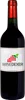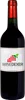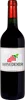
Winery Pivnica ČajkovEmpress Frankovka
 Red wine


This wine generally goes well with pork, rich fish (salmon, tuna etc) or mature and hard cheese.
The Empress Frankovka of the Winery Pivnica Čajkov is in the top 20 of wines of Nitrianska.
Food and wine pairings with Empress Frankovka
Pairings that work perfectly with Empress Frankovka



Original food and wine pairings with Empress Frankovka

The Empress Frankovka of Winery Pivnica Čajkov matches generally quite well with dishes of pork, rich fish (salmon, tuna etc) or mature and hard cheese such as recipes of zucchini lasagna, rice with tuna and tomato or savoyard fondue (but succulent).
Details and technical informations about Winery Pivnica Čajkov's Empress Frankovka.
Discover the grape variety: Carcajolo
Carcajolo blanc is a grape variety that originated in France (Corsica). It produces a variety of grape specially used for the elaboration of wine. It is rare to find this grape to eat on our tables. This variety of grape is characterized by large bunches, and grapes of medium to large size. The white Carcajolo can be found cultivated in these vineyards: South West, Cognac, Bordeaux, Provence & Corsica, Rhone Valley.
Last vintages of this wine

The best vintages of Empress Frankovka from Winery Pivnica Čajkov are 2016, 2015
Informations about the Winery Pivnica Čajkov
The Winery Pivnica Čajkov is one of of the world's greatest estates. It offers 24 wines for sale in the of Nitrianska to come and discover on site or to buy online.

The wine region of Nitrianska
The wine region of Nitrianska of Slovak Republic. Wineries and vineyards like the Domaine Tajna or the Domaine Vins produce mainly wines white, red and pink. The most planted grape varieties in the region of Nitrianska are Cabernet-Sauvignon, Riesling and Chardonnay, they are then used in wines in blends or as a single variety. On the nose of Nitrianska often reveals types of flavors of non oak, earth or oak and sometimes also flavors of tree fruit, citrus fruit or red fruit.
The word of the wine: Tartar (deposit)
White, chalky deposits that occur as a result of precipitation inside bottles and are often considered by consumers as a defect. They are in fact tartaric salts formed by tartaric acid, potassium and calcium naturally present in the wine. This deposit does not alter the quality of the wine and can be eliminated by a simple decanting.