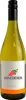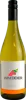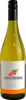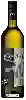
Winery ZimmerleVogel Sauvignon Blanc
 White wine



In the mouth this white wine is a with a nice freshness.
This wine generally goes well with vegetarian, shellfish or goat cheese.

Taste structure of the Vogel Sauvignon Blanc from the Winery Zimmerle
Light | Bold | |
Dry | Sweet | |
Soft | Acidic |
In the mouth the Vogel Sauvignon Blanc of Winery Zimmerle in the region of Württemberg is a with a nice freshness.
Food and wine pairings with Vogel Sauvignon Blanc
Pairings that work perfectly with Vogel Sauvignon Blanc



Original food and wine pairings with Vogel Sauvignon Blanc
The Vogel Sauvignon Blanc of Winery Zimmerle matches generally quite well with dishes of shellfish, vegetarian or goat cheese such as recipes of scallop mousse, quiche without pastry, courgette and blue cheese or puff pastry with ratatouille and goat cheese.
Details and technical informations about Winery Zimmerle's Vogel Sauvignon Blanc.
Discover the grape variety: Calabrese
Intense and structured reds with a deep purple hue, supple tannins and an ample palate with preserved acidity, featuring signature aromas of ripe black fruits (black cherry, plum), spices (pepper), liquorice and Sicilian Mediterranean notes. Star of dry Sicilian reds (Nero d'Avola DOC) and the island's aromatic signature, widely exported to the US and Australia. Italian black grape, historic synonym of Nero d'Avola, originating from Sicily.
Last vintages of this wine
The best vintages of Vogel Sauvignon Blanc from Winery Zimmerle are 0
Informations about the Winery Zimmerle
The Winery Zimmerle is one of of the world's greatest estates. It offers 48 wines for sale in the of Württemberg to come and discover on site or to buy online.

The wine region of Württemberg
Rare predominantly red region in Germany (nearly 70%). Supple, fruity everyday reds: light, crisp Trollinger (Schiava) with red fruits, more structured, spicy, deep Lemberger (Blaufränkisch), generous Schwarzriesling (Pinot Meunier). Riesling king of whites (>2,000 ha), lively and mineral, citrus and green apple. Germany's 4th region (11,500 ha) on the Neckar slopes around Heilbronn and Stuttgart.
The word of the wine: Texture
In tasting, the equivalent of touch. It is the set of tactile sensations perceived by the mucous membranes of the mouth: silky, velvety, sticky, fatty, astringent, pasty, etc.