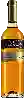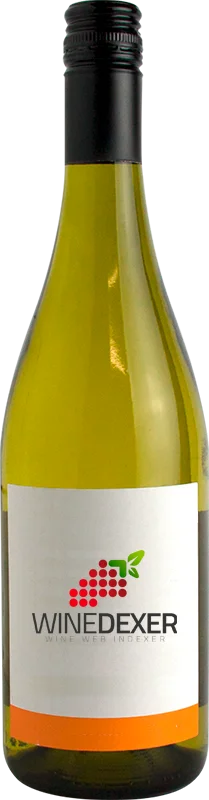
Winery Le Vigne di ZamòVola Vola
 Sweet wine


This wine generally goes well with vegetarian, rich fish (salmon, tuna etc) or shellfish.

Food and wine pairings with Vola Vola
Pairings that work perfectly with Vola Vola



Original food and wine pairings with Vola Vola
The Vola Vola of Winery Le Vigne di Zamò matches generally quite well with dishes of rich fish (salmon, tuna etc), shellfish or vegetarian such as recipes of red mullet, mackerel, tuna, salmon sushi, traditional tunisian couscous or nanie's diced ham quiche.
Details and technical informations about Winery Le Vigne di Zamò's Vola Vola.
Discover the grape variety: Chaouch
Simple, fresh dry whites with a pale golden colour, supple palate with moderate acidity, undemonstrative aromas of citrus and white flowers. Drink young. Now rare, survives as a table grape in amateur gardens and varietal collections in central Europe, testament to the historic spread of Levantine varieties across the eastern Mediterranean and Balkans. Historic white variety, probably originating in Turkey.
Last vintages of this wine
The best vintages of Vola Vola from Winery Le Vigne di Zamò are 0
Informations about the Winery Le Vigne di Zamò
The Winery Le Vigne di Zamò is one of of the world's great estates. It offers 35 wines for sale in the of Venezia Giulia to come and discover on site or to buy online.

The wine region of Venezia Giulia
IGT covering all of Friuli-Venezia Giulia between the Alps and the Adriatic, a showcase of the great Italian whites. Signature Pinot Grigio, exported worldwide: fresh, precise whites with citrus, pear, white flowers, almond and a saline touch, a light and thirst-quenching palate. Also Friulano (Tocai) with green almond flavour, lively Sauvignon, broad Chardonnay, mineral Pinot Bianco. Supple reds: round Merlot, peppery Cabernet Franc, fine Pinot Nero.
The wine region of Friuli-Venezia Giulia
Italian benchmark of great whites of elegance and minerality. Emblematic Friulano with notes of fresh almond, pear and white flowers, taut Ribolla Gialla, precise Pinot Grigio, lively Sauvignon and balanced Chardonnay. Rare sweet Picolit (DOCG), saline Malvasia Istriana. Rising reds: fruity spicy Refosco, more tannic Pignolo and Schioppettino.
The word of the wine: Tanin
A natural compound contained in the skin of the grape, the seed or the woody part of the bunch, the stalk. The maceration of red wines allows the extraction of tannins, which give the texture, the solidity and also the mellowness when the tannins are "ripe". The winemaker seeks above all to extract the tannins from the skin, the ripest and most noble. The tannins of the seed or stalk, which are "greener", especially in average years, give the wine hardness and astringency. The wines of Bordeaux (based on Cabernet and Merlot) are full of tannins, those of Burgundy much less so, with Pinot Noir containing little.