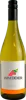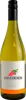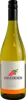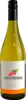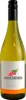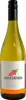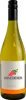
Winery Zámecké Vinařství BzenecMorava Classic Veltlínské Zelené
 White wine



This wine generally goes well with pork, vegetarian or lean fish.

Food and wine pairings with Morava Classic Veltlínské Zelené
Pairings that work perfectly with Morava Classic Veltlínské Zelené



Original food and wine pairings with Morava Classic Veltlínské Zelené



The Morava Classic Veltlínské Zelené of Winery Zámecké Vinařství Bzenec matches generally quite well with dishes of pork, rich fish (salmon, tuna etc) or shellfish such as recipes of baked pumpkin, cod and potato gratin or quick paella.
Details and technical informations about Winery Zámecké Vinařství Bzenec's Morava Classic Veltlínské Zelené.
Discover the grape variety: Cortese
Lively, structured whites with firm acidity and a slender mouth, featuring aromas of citrus (lemon, grapefruit), green apple, white flowers, fresh almond and chalky mineral notes. Typically saline finish. The absolute star of Gavi DOCG (Cortese di Gavi), one of Italy's great whites, also made as sparkling wines and aged cuvées. Present in Colli Tortonesi DOC and Lombardy. Native Piedmontese grape from the southeast, with a long tradition of noble whites.
Last vintages of this wine
The best vintages of Morava Classic Veltlínské Zelené from Winery Zámecké Vinařství Bzenec are 2017, 0
Informations about the Winery Zámecké Vinařství Bzenec
The Winery Zámecké Vinařství Bzenec is one of of the world's great estates. It offers 42 wines for sale in the of Morava to come and discover on site or to buy online.

The wine region of Morava
Predominantly white region, lively and mineral: crisp, peppery Grüner Veltliner, taut Riesling with citrus, supple, floral Müller-Thurgau, aromatic Pálava, the local signature (muscat, white flowers). More discreet reds: spicy Frankovka (Blaufränkisch) with black fruits, fine, silky Saint Laurent. Temperate continental climate, 4 sub-regions: Mikulov, Velké Pavlovice, Znojmo, Slovácko. ~96% of the Czech vineyard, 73 grapes grown.
The word of the wine: Traditional method
Also known as the Champagne method, this is the elaboration of sparkling wines according to the second fermentation method in the bottle.