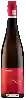
Winery Winzerverein MeersburgMeersburger Sonnenufer Spätburgunder Lieblich
 Red wine



In the mouth this red wine is a with a nice freshness.
This wine generally goes well with poultry, beef or veal.
Taste structure of the Meersburger Sonnenufer Spätburgunder Lieblich from the Winery Winzerverein Meersburg
Light | Bold | |
Smooth | Tannic | |
Dry | Sweet | |
Soft | Acidic |
In the mouth the Meersburger Sonnenufer Spätburgunder Lieblich of Winery Winzerverein Meersburg in the region of Baden is a with a nice freshness.
Food and wine pairings with Meersburger Sonnenufer Spätburgunder Lieblich
Pairings that work perfectly with Meersburger Sonnenufer Spätburgunder Lieblich



Original food and wine pairings with Meersburger Sonnenufer Spätburgunder Lieblich

The Meersburger Sonnenufer Spätburgunder Lieblich of Winery Winzerverein Meersburg matches generally quite well with dishes of beef, veal or game (deer, venison) such as recipes of polish goulash, roast veal with caramelized carrots or veal blanquette à l'ancienne.
Details and technical informations about Winery Winzerverein Meersburg's Meersburger Sonnenufer Spätburgunder Lieblich.
Discover the grape variety: Vidiano
A very old grape variety grown in Greece, mostly at high altitudes, it is believed to have originated on the island of Crete. It can also be found in the United States, but is practically unknown in France. According to A.D.N. analyses, it is related to Thrapsthiri and Vilana.
Last vintages of this wine
The best vintages of Meersburger Sonnenufer Spätburgunder Lieblich from Winery Winzerverein Meersburg are 0
Informations about the Winery Winzerverein Meersburg
The Winery Winzerverein Meersburg is one of of the world's great estates. It offers 62 wines for sale in the of Baden to come and discover on site or to buy online.

The wine region of Baden
Baden is the southernmost of Germany's 13 official wine regions. It is also the warmest. Its relatively sunny, DryClimate permits the production of good-quality Spätburgunder (Pinot Noir) and ripe, relatively Full-bodied">Full-bodied examples of Grauburgunder (Pinot Gris) and Weissburgunder (Pinot Blanc). These are often made in oaked styles.
The word of the wine: Muscat blanc à petits grains
A white grape variety cultivated since antiquity on the shores of the Mediterranean, it is considered the noblest of the muscats. It is mainly used to make sweet wines, often from mutage. In France, it is the sole variety used in many natural sweet wines: muscat-de-frontignan, muscat-de-mireval, muscat-de-lunel, muscat-de-saint-jean-de-minervois, muscat-de-beaumes-de-venise, muscat-du-cap-corse. Combined with Muscat d'Alexandrie, it gives Muscat-de-Rivesaltes. It is also used to make sparkling white wines (clairette-de-die; moscato d'asti and asti spumante in Italy) and dry wines (alsace-muscat). Powerfully aromatic and complex, its wines evoke fresh grapes, roses, exotic fruits, citrus fruits and spices.