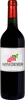
Winery Wildhorse Canyon FarmsOak Aged Cabernet Sauvignon
 Red wine
This wine generally goes well with poultry, beef or lamb.
Food and wine pairings with Oak Aged Cabernet Sauvignon
Pairings that work perfectly with Oak Aged Cabernet Sauvignon



Original food and wine pairings with Oak Aged Cabernet Sauvignon

The Oak Aged Cabernet Sauvignon of Winery Wildhorse Canyon Farms matches generally quite well with dishes of beef, lamb or spicy food such as recipes of beef stew provencal style, lamb delight with tomato and cinnamon or coral lentil dahl.
Details and technical informations about Winery Wildhorse Canyon Farms's Oak Aged Cabernet Sauvignon.
Discover the grape variety: Cabernet-Sauvignon
Cabernet-Sauvignon noir is a grape variety that originated in France (Bordeaux). It produces a variety of grape specially used for wine making. It is rare to find this grape to eat on our tables. This variety of grape is characterized by small bunches, and small grapes. Cabernet-Sauvignon noir can be found in many vineyards: South-West, Loire Valley, Languedoc & Roussillon, Cognac, Bordeaux, Armagnac, Rhone Valley, Provence & Corsica, Savoie & Bugey, Beaujolais.
Informations about the Winery Wildhorse Canyon Farms
The Winery Wildhorse Canyon Farms is one of of the world's great estates. It offers 13 wines for sale in the of Oklahoma to come and discover on site or to buy online.

The wine region of Oklahoma
Oklahoma is a state in the SouthCentral United States, bordered by Texas to the south and Kansas to the North. The state covers nearly 180,000 km² (70,000 square miles) between latitudes 33° and 37°. Oklahoma is not an obvious place for quality viticulture, but grapes have been grown here since the days of the first settlers. Unusually, when Oklahoma joined the union in 1907, Prohibition was already Part of its constitution; it remained in effect until 1959, despite widespread smuggling, which led to the collapse of the state's well-developed wine industry.
The word of the wine: Sparkling
Equivalent to effervescent, this term is used among others to designate the "natural sparkling wines" produced in the Montlouis appellation.