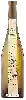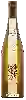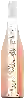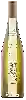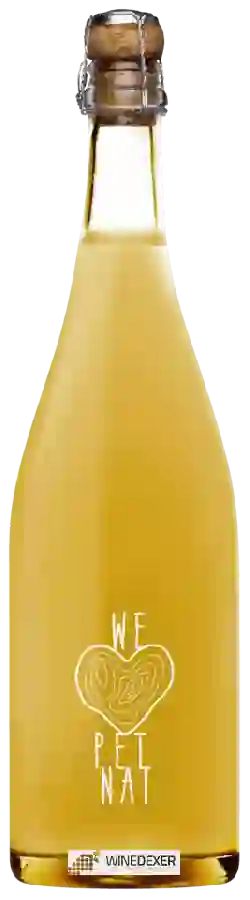
Winery WeszeliWe Pét Nat
 Sparkling wine


This wine generally goes well with pork, vegetarian or lean fish.
Food and wine pairings with We Pét Nat
Pairings that work perfectly with We Pét Nat



Original food and wine pairings with We Pét Nat



The We Pét Nat of Winery Weszeli matches generally quite well with dishes of pork, rich fish (salmon, tuna etc) or shellfish such as recipes of homemade pork curry, salmon carpaccio with pink berries and shallots or cuttlefish in sauce.
Details and technical informations about Winery Weszeli's We Pét Nat.
Discover the grape variety: Abondance
A very old grape variety that was once grown in Savoie and more generally in the Isère Valley, but has now almost disappeared from the vineyards. It should not be confused with Abundant which is a white grape variety formerly cultivated in eastern France.
Last vintages of this wine
The best vintages of We Pét Nat from Winery Weszeli are 2019, 0
Informations about the Winery Weszeli
The Winery Weszeli is one of of the world's great estates. It offers 15 wines for sale in the of Niederösterreich to come and discover on site or to buy online.

The wine region of Niederösterreich
Niederösterreich, or Lower Austria, is a wine region in the Northeast of Austria bordering Slovakia and the Czech Republic. It is the country's largest wine region, both geographically and in terms of production. There are around 28,000 hectares (69,000 acres) of vineyards. These are responsible for roughly half of Austria's total wine output.
The wine region of Weinland
Weinviertel DAC – whose name translates as "wine quarter" – is an appellation in Niederösterreich (Lower Austria). It is by far the largest Districtus Austriae Controllatus wine region in Austria. It was also the first Austrian wine region to be given that title, in 2002, with a DAC Reserve designation added in 2009. The designation applies only to white wines from the Grüner Veltliner Grape variety.
The word of the wine: Polyphenols
Substance contained essentially in the skin of the grape. The main ones are anthocyanins, which give red wines their colour and tannins.