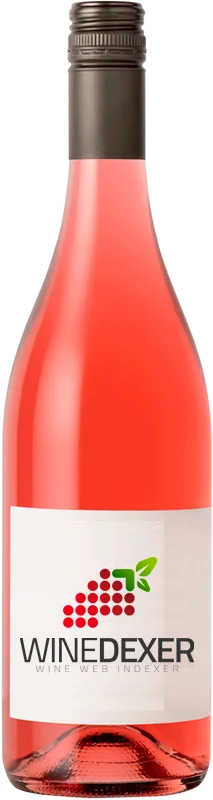
Winery WeningerSyrah Rosé
 Pink wine


This wine generally goes well with beef, lamb or mature and hard cheese.
Wine flavors and olphactive analysis

On the nose the Syrah Rosé of Winery Weninger in the region of Sopron often reveals types of flavors of earth, red fruit.
Food and wine pairings with Syrah Rosé
Pairings that work perfectly with Syrah Rosé



Original food and wine pairings with Syrah Rosé

The Syrah Rosé of Winery Weninger matches generally quite well with dishes of beef, lamb or spicy food such as recipes of beef strogonoff, lamb chops with honey and spices or chicken colombo.
Details and technical informations about Winery Weninger's Syrah Rosé.
Discover the grape variety: Oberlin
Oberlin noir is a grape variety that originated in France (Alsace). It is a variety resulting from a cross of the same species (interspecific hybridization). It produces a variety of grape specially used for wine making. It is rare to find this grape to eat on our tables. You can find the Oberlin noir cultivated in these vineyards: Provence & Corsica, Rhône Valley, Loire Valley, Savoie & Bugey, Beaujolais.
Last vintages of this wine
The best vintages of Syrah Rosé from Winery Weninger are 0
Informations about the Winery Weninger
The Winery Weninger is one of of the world's great estates. It offers 74 wines for sale in the of Sopron to come and discover on site or to buy online.

The wine region of Sopron
The wine region of Sopron of Hungary. Wineries and vineyards like the Domaine Weninger or the Domaine Weninger produce mainly wines red, white and pink. The most planted grape varieties in the region of Sopron are Merlot, Zweigelt and Cabernet-Sauvignon, they are then used in wines in blends or as a single variety. On the nose of Sopron often reveals types of flavors of cherry, smoke or oak and sometimes also flavors of tree fruit, spices or citrus fruit.
The word of the wine: Sorting
Action which consists in removing the bad grains, not ripe or affected by the rot. We often use vibrating sorting tables which, by shaking, make the impurities fall to the ground. In the case of sweet wines, we speak of harvesting by successive selections, in several passages, to select the very ripe grapes each time.