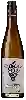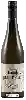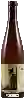
Winery WeltnerSylvaner Trocken
 White wine



In the mouth this white wine is a with a nice freshness.
This wine generally goes well with pork, vegetarian or poultry.

Taste structure of the Sylvaner Trocken from the Winery Weltner
Light | Bold | |
Dry | Sweet | |
Soft | Acidic |
In the mouth the Sylvaner Trocken of Winery Weltner in the region of Franken is a with a nice freshness.
Food and wine pairings with Sylvaner Trocken
Pairings that work perfectly with Sylvaner Trocken



Original food and wine pairings with Sylvaner Trocken


The Sylvaner Trocken of Winery Weltner matches generally quite well with dishes of veal, pork or vegetarian such as recipes of paupiettes of veal, beef carrots or cream and tuna quiche.
Details and technical informations about Winery Weltner's Sylvaner Trocken.
Discover the grape variety: Sylvaner
Lively, understated whites with a tender palate and fresh acidity, with delicate aromas of citrus, white flowers, green apple, hay and typical mineral notes. Light and refreshing finish. Made as easy dry whites and more structured lees-aged cuvées. Star of Alsace AOC (one of the historic varieties), absolute signature of German Franconia (Silvaner on shell-limestone soils) and present in Austria and Switzerland. Central European variety of Austrian origin.
Last vintages of this wine
The best vintages of Sylvaner Trocken from Winery Weltner are 0
Informations about the Winery Weltner
The Winery Weltner is one of of the world's great estates. It offers 35 wines for sale in the of Franken to come and discover on site or to buy online.

The wine region of Franken
Homeland of German Silvaner: dry, straight, mineral and lively whites with notes of green apple, citrus, fresh herbs and a saline touch, planted here for over 350 years (1,500 ha, a quarter of the vineyard). Also supple, floral Müller-Thurgau, taut Riesling, aromatic Bacchus. Some discreet reds (Spätburgunder). 6,040 ha in Bavaria along the Main around Würzburg, red sandstone and shell-limestone soils.
The word of the wine: Film maceration
A technique that consists of leaving the grapes to macerate in the open air at a low temperature before fermentation, thus enhancing the aromatic expression of the wine.