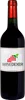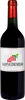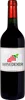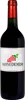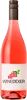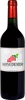
Winery Weinmanufaktur UntertürkheimSpätburgunder Weissherbst Feinherb
 Pink wine



This wine generally goes well with vegetarian

Food and wine pairings with Spätburgunder Weissherbst Feinherb
Pairings that work perfectly with Spätburgunder Weissherbst Feinherb

Original food and wine pairings with Spätburgunder Weissherbst Feinherb
The Spätburgunder Weissherbst Feinherb of Winery Weinmanufaktur Untertürkheim matches generally quite well with dishes of vegetarian such as recipes of goat cheese and bacon quiche.
Details and technical informations about Winery Weinmanufaktur Untertürkheim's Spätburgunder Weissherbst Feinherb.
Discover the grape variety: Minutolo
Aromatic, lively dry whites with a pale golden colour, a slender palate and preserved acidity, showing intense signature muscat aromas (rose, fresh grape), white flowers (orange blossom), exotic fruits (lychee, pineapple) and citrus notes. Distinctive Apulian aromatic profile to drink young. Experiencing a fine qualitative revival among modern Puglian winemakers in the Valle d'Itria. Native white variety from Puglia, Italy, long confused with Fiano.
Last vintages of this wine
The best vintages of Spätburgunder Weissherbst Feinherb from Winery Weinmanufaktur Untertürkheim are 0
Informations about the Winery Weinmanufaktur Untertürkheim
The Winery Weinmanufaktur Untertürkheim is one of of the world's great estates. It offers 70 wines for sale in the of Württemberg to come and discover on site or to buy online.

The wine region of Württemberg
Rare predominantly red region in Germany (nearly 70%). Supple, fruity everyday reds: light, crisp Trollinger (Schiava) with red fruits, more structured, spicy, deep Lemberger (Blaufränkisch), generous Schwarzriesling (Pinot Meunier). Riesling king of whites (>2,000 ha), lively and mineral, citrus and green apple. Germany's 4th region (11,500 ha) on the Neckar slopes around Heilbronn and Stuttgart.
The word of the wine: Flavours
There are generally four so-called fundamental flavours: acidity, bitterness, sweetness and saltiness. The first three are considered to be the building blocks of the structure of wines. They are perceived by the taste buds that cover the surface of the tongue.