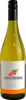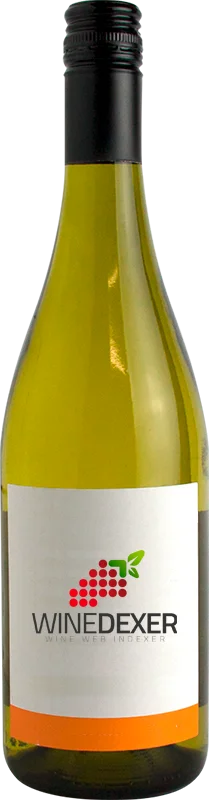
Winery Weinkonvent DürrenzimmernCellarius Sauvignon Blanc Trocken
 White wine
In the mouth this white wine is a with a nice freshness.
This wine generally goes well with vegetarian, shellfish or goat cheese.

Taste structure of the Cellarius Sauvignon Blanc Trocken from the Winery Weinkonvent Dürrenzimmern
Light | Bold | |
Dry | Sweet | |
Soft | Acidic |
In the mouth the Cellarius Sauvignon Blanc Trocken of Winery Weinkonvent Dürrenzimmern in the region of Württemberg is a with a nice freshness.
Food and wine pairings with Cellarius Sauvignon Blanc Trocken
Pairings that work perfectly with Cellarius Sauvignon Blanc Trocken



Original food and wine pairings with Cellarius Sauvignon Blanc Trocken
The Cellarius Sauvignon Blanc Trocken of Winery Weinkonvent Dürrenzimmern matches generally quite well with dishes of shellfish, vegetarian or goat cheese such as recipes of sublime fish and shrimp colombo, zucchini quiche or millefeuille with courgettes and goat cheese.
Details and technical informations about Winery Weinkonvent Dürrenzimmern's Cellarius Sauvignon Blanc Trocken.
Discover the grape variety: Garanoir
Supple and fruity reds with a purple colour and melted tannins, on aromas of cherry, raspberry, blackberry, sweet spices and floral notes. Round palate, fresh finish, more tender and approachable young than its sibling Gamaret. Vinified as a thirst-quenching single variety and in modern red blends with Gamaret, Gamay and Pinot Noir in Swiss Romandy (Vaud, Geneva, Valais). A cross of Gamay × Reichensteiner created in 1970 at the Pully station, same lineage as Gamaret.
Informations about the Winery Weinkonvent Dürrenzimmern
The Winery Weinkonvent Dürrenzimmern is one of of the world's great estates. It offers 93 wines for sale in the of Württemberg to come and discover on site or to buy online.

The wine region of Württemberg
Rare predominantly red region in Germany (nearly 70%). Supple, fruity everyday reds: light, crisp Trollinger (Schiava) with red fruits, more structured, spicy, deep Lemberger (Blaufränkisch), generous Schwarzriesling (Pinot Meunier). Riesling king of whites (>2,000 ha), lively and mineral, citrus and green apple. Germany's 4th region (11,500 ha) on the Neckar slopes around Heilbronn and Stuttgart.
The word of the wine: Over-ripeness
Characteristic of grapes harvested late, rich in sugar, which give wines often mellow and marked by candied aromas.