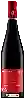
Weingut WildHerzstück Spätburgunder
 Red wine
In the mouth this red wine is a with a nice freshness.
This wine generally goes well with poultry, beef or veal.

Taste structure of the Herzstück Spätburgunder from the Weingut Wild
Light | Bold | |
Smooth | Tannic | |
Dry | Sweet | |
Soft | Acidic |
In the mouth the Herzstück Spätburgunder of Weingut Wild in the region of Baden is a with a nice freshness.
Food and wine pairings with Herzstück Spätburgunder
Pairings that work perfectly with Herzstück Spätburgunder



Original food and wine pairings with Herzstück Spätburgunder

The Herzstück Spätburgunder of Weingut Wild matches generally quite well with dishes of beef, veal or game (deer, venison) such as recipes of tournedos with foie gras, roast veal orloff or duck casserole with turnips.
Details and technical informations about Weingut Wild's Herzstück Spätburgunder.
Discover the grape variety: Aragonez
Full-bodied, deeply coloured reds with a dark ruby robe, firm tannins and a dense palate, showing signature aromas of black fruits (blackberry, cassis), plum, tobacco, leather, spice and balsamic notes. Fine ageing potential and a distinctly Iberian character. The pillar of great Alentejo DOC reds, present in Douro DOC and a component of Port. The Portuguese synonym for Tempranillo, the iconic Iberian black grape grown throughout southern Portugal.
Informations about the Weingut Wild
The Weingut Wild is one of of the world's great estates. It offers 21 wines for sale in the of Baden to come and discover on site or to buy online.

The wine region of Baden
German capital of Pinot Noir (Spätburgunder): silky, fine reds with notes of red fruits, cherry, undergrowth and sweet spices, melted tannins. Round Grauburgunder (Pinot Gris), lively Weissburgunder, supple Müller-Thurgau, mineral Riesling. Germany's 3rd region (15,000 ha) in Baden-Württemberg facing Alsace, one of the country's warmest climates, volcanic soils at the Kaiserstuhl. Cradle of modern great German reds, elegant and fine.
The word of the wine: Late harvest
A name historically used in Alsace, late harvest refers to grapes harvested during over-ripening for the production of sweet and syrupy wines.