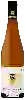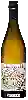
Weingut Dr. WehrheimBirkweiler Kastanienbusch Grauer Burgunder Beerenauslese
 Sweet wine


This wine generally goes well with pork, cured meat or mushrooms.

Food and wine pairings with Birkweiler Kastanienbusch Grauer Burgunder Beerenauslese
Pairings that work perfectly with Birkweiler Kastanienbusch Grauer Burgunder Beerenauslese


Original food and wine pairings with Birkweiler Kastanienbusch Grauer Burgunder Beerenauslese

The Birkweiler Kastanienbusch Grauer Burgunder Beerenauslese of Weingut Dr. Wehrheim matches generally quite well with dishes of pork, spicy food or mushrooms such as recipes of salted lentils, samoussa 3 reunionese cheeses or korean bibimbap.
Details and technical informations about Weingut Dr. Wehrheim's Birkweiler Kastanienbusch Grauer Burgunder Beerenauslese.
Discover the grape variety: Roscetto
Structured and aromatic dry whites with a pale golden robe and copper highlights, an ample palate with preserved acidity, showing signature aromas of citrus, white flowers, yellow fruits (pear) and volcanic mineral notes. Also in orange wines with tannins and dried fruits. Preserved for its heritage value in Lazio around Civitella d'Agliano, featured in local artisan blends. Native white Italian grape from Lazio, studied for its genetic interest.
Last vintages of this wine
The best vintages of Birkweiler Kastanienbusch Grauer Burgunder Beerenauslese from Weingut Dr. Wehrheim are 0
Informations about the Weingut Dr. Wehrheim
The Weingut Dr. Wehrheim is one of of the world's great estates. It offers 59 wines for sale in the of Pfalz to come and discover on site or to buy online.

The wine region of Pfalz
Fleshy, dry, fruity Riesling is the region's signature: yellow peach, apricot, ripe citrus, lovely mineral tension. Germany's largest red-wine area (40%), with silky Spätburgunder showing red fruit and spice, darker structured Dornfelder, supple Portugieser. Some rounded Pinot Blanc and Pinot Gris. A 23,640 ha vineyard along the Haardt, among Germany's warmest (>2,000 h of sun).
The word of the wine: Climate
Term used in Burgundy to designate a locality. The most famous climats are subject to specific recognition and constitute the first growths.