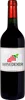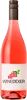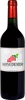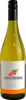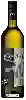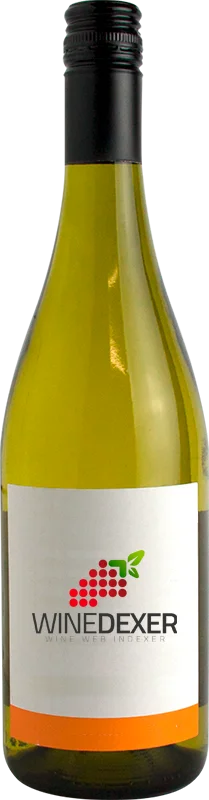
Weingut SieglochMuskateller Nass
 White wine


This wine generally goes well with spicy food and sweet desserts.
Food and wine pairings with Muskateller Nass
Pairings that work perfectly with Muskateller Nass


Original food and wine pairings with Muskateller Nass
The Muskateller Nass of Weingut Siegloch matches generally quite well with dishes of spicy food or sweet desserts such as recipes of real paella recipe from valencia or chocolate mug cake.
Details and technical informations about Weingut Siegloch's Muskateller Nass.
Discover the grape variety: Primitivo
From Croatia where it is called crljenak kastelanski or pribidrag. According to genetic analyses carried out by Professor Carole Meredith of California University in Davis (United States), it is related to the Croatian plavac mali and Zinfandel. It is also found in South Africa, New Zealand, Chile, Brazil, Germany, Bulgaria, Albania, Italy under the name of Primitivo, Malta, Greece, Portugal and to some extent in Croatia. In the United States (California), it is one of the most widely planted grape varieties, having been introduced in the 1830s well before Primitivo. In France, it is registered in the official catalogue of vine varieties on the A1 list under the name Primitivo.
Last vintages of this wine
The best vintages of Muskateller Nass from Weingut Siegloch are 0
Informations about the Weingut Siegloch
The Weingut Siegloch is one of of the world's greatest estates. It offers 34 wines for sale in the of Württemberg to come and discover on site or to buy online.

The wine region of Württemberg
Württemberg is known as Germany's premier red wine region. With almost 11,500 hectares (28,500 acres) of vineyards, it is the fourth-largest wine region in the country. Found adjacent to Baden and South of Franken, Wüttemberg is a particularly hilly and rural wine-region. Almost 70-percent of Württemberg wines are red, predominantly made from Trollinger, SchwarzRiesling and Lemberger.
The word of the wine: Yeast
Micro-organisms at the base of all fermentative processes. A wide variety of yeasts live and thrive naturally in the vineyard, provided that treatments do not destroy them. Unfortunately, their replacement by laboratory-selected yeasts is often the order of the day and contributes to the standardization of the wine. Yeasts are indeed involved in the development of certain aromas.