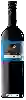
Weingut Schloss FelsBlaufränkisch
 Red wine


In the mouth this red wine is a powerful with a nice balance between acidity and tannins.
This wine generally goes well with poultry, beef or pasta.

Taste structure of the Blaufränkisch from the Weingut Schloss Fels
Light | Bold | |
Smooth | Tannic | |
Dry | Sweet | |
Soft | Acidic |
In the mouth the Blaufränkisch of Weingut Schloss Fels in the region of Weinland is a powerful with a nice balance between acidity and tannins.


Food and wine pairings with Blaufränkisch
Pairings that work perfectly with Blaufränkisch



Original food and wine pairings with Blaufränkisch
The Blaufränkisch of Weingut Schloss Fels matches generally quite well with dishes of beef, pasta or poultry such as recipes of kamounia : tunisian beef stew, chinese noodles with vegetables or chicken fajitas.
Details and technical informations about Weingut Schloss Fels's Blaufränkisch.
Discover the grape variety: Crouchen
Fresh and barely aromatic dry whites with a pale golden robe, a supple palate and preserved acidity, with discreet aromas of white flowers, citrus (lemon) and herbal notes. A rustic thirst-quenching profile to drink young. Now rare in France, still grown in South Africa (Crouchen Blanc) and Australia (mistakenly called Clare Riesling), producing simple whites. Native French white grape from the Pyrenees, once grown in Béarn and the South-West.
Last vintages of this wine

The best vintages of Blaufränkisch from Weingut Schloss Fels are 2015, 2016, 2011, 0 and 2013.
Informations about the Weingut Schloss Fels
The Weingut Schloss Fels is one of of the world's great estates. It offers 19 wines for sale in the of Burgenland to come and discover on site or to buy online.

The wine region of Burgenland
Cradle of great Austrian reds. Signature Blaufränkisch: structured, spicy reds with black fruits (blackberry, black cherry), firm tannins and lively acidity, mineral profile. More supple Zweigelt on red fruit. Lively Welschriesling, peppery Grüner Veltliner, round Chardonnay whites.
The wine region of Weinland
Vast German-speaking region in north-eastern Switzerland, the country's largest production area. Signature Pinot Noir (Blauburgunder): fine, fresh reds with notes of cherry, raspberry, undergrowth and sweet spices, silky tannins. Elegant, delicate style, often barrel-aged. Also light, floral Müller-Thurgau (Riesling-Sylvaner), lively, lemony native Räuschling, ample Pinot Gris.
The word of the wine: Friendly
Said of a wine whose aspects are pleasant and not too marked.