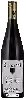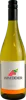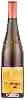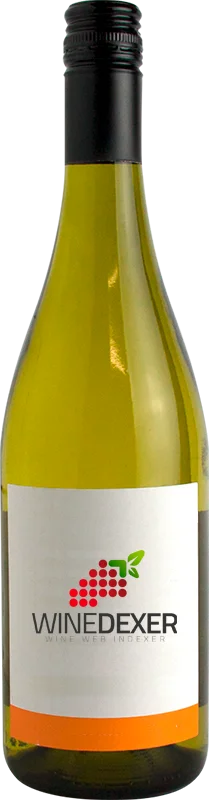
Weingut GunderlochGewürztraminer
 White wine



In the mouth this white wine is a powerful.
This wine generally goes well with pork, poultry or rich fish (salmon, tuna etc).

Taste structure of the Gewürztraminer from the Weingut Gunderloch
Light | Bold | |
Dry | Sweet | |
Soft | Acidic |
In the mouth the Gewürztraminer of Weingut Gunderloch in the region of Rheinhessen is a powerful.
Food and wine pairings with Gewürztraminer
Pairings that work perfectly with Gewürztraminer



Original food and wine pairings with Gewürztraminer


The Gewürztraminer of Weingut Gunderloch matches generally quite well with dishes of pork, rich fish (salmon, tuna etc) or spicy food such as recipes of stuffed round zucchini, tuna with tomatoes in the oven or moroccan veal tagine from hanane.
Details and technical informations about Weingut Gunderloch's Gewürztraminer.
Discover the grape variety: Gewurztraminer
Full-bodied, exotic whites, rich and heady, with moderate acidity, showing opulent aromas of lychee, rose, mango, ginger, pink grapefruit and gentle spice. Made as aromatic dry, moelleux late-harvest and liquorous sélection de grains nobles. Star of Alsace AOC (one of the four noble varieties) and signature of Alto Adige (Tramin), Palatinate and Germany. A pink mutation of Traminer.
Last vintages of this wine
The best vintages of Gewürztraminer from Weingut Gunderloch are 0
Informations about the Weingut Gunderloch
The Weingut Gunderloch is one of of the world's great estates. It offers 59 wines for sale in the of Rheinhessen to come and discover on site or to buy online.

The wine region of Rheinhessen
71% white region: Riesling is king (5,000 ha), dry to off-dry, ripe yellow fruit, apple, citrus and fine saline minerality. Supple, floral Müller-Thurgau for everyday, the world's largest Silvaner plantation with herbaceous, straight notes. Historic cradle of off-sweet Liebfraumilch. Some supple reds (Dornfelder, Spätburgunder).
The word of the wine: Yeast
Micro-organisms at the base of all fermentative processes. A wide variety of yeasts live and thrive naturally in the vineyard, provided that treatments do not destroy them. Unfortunately, their replacement by laboratory-selected yeasts is often the order of the day and contributes to the standardization of the wine. Yeasts are indeed involved in the development of certain aromas.