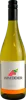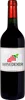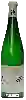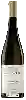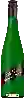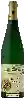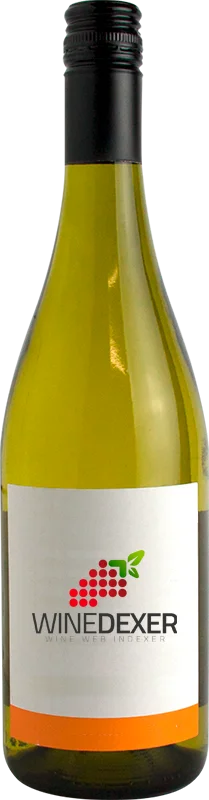
Weingut CaspariSauvignon Blanc Trocken
 White wine
In the mouth this white wine is a with a nice freshness.
This wine generally goes well with vegetarian, shellfish or goat cheese.

Taste structure of the Sauvignon Blanc Trocken from the Weingut Caspari
Light | Bold | |
Dry | Sweet | |
Soft | Acidic |
In the mouth the Sauvignon Blanc Trocken of Weingut Caspari in the region of Mosel is a with a nice freshness.
Food and wine pairings with Sauvignon Blanc Trocken
Pairings that work perfectly with Sauvignon Blanc Trocken


Original food and wine pairings with Sauvignon Blanc Trocken
The Sauvignon Blanc Trocken of Weingut Caspari matches generally quite well with dishes of shellfish, vegetarian or goat cheese such as recipes of rougaille tomatoes (madagascar), quiche with leeks and fresh salmon from flo or lasagne with 5 cheeses.
Details and technical informations about Weingut Caspari's Sauvignon Blanc Trocken.
Discover the grape variety: Sauvignon
Rich, aromatic whites with a fuller mouth than Sauvignon Blanc and softer acidity, featuring aromas of yellow peach, melon, passion fruit, ripe citrus and delicate spicy notes. A grey-skinned mutation of Sauvignon Blanc, made as a rare single variety in Bordeaux (Pessac-Léognan, Graves), the Loire and Chile where it is experiencing a fine qualitative revival. Adds roundness to dry Bordeaux blends. French grape.
Informations about the Weingut Caspari
The Weingut Caspari is one of of the world's great estates. It offers 42 wines for sale in the of Mosel to come and discover on site or to buy online.

The wine region of Mosel
Kingdom of lively, crystalline Riesling: citrus, green apple, gunflint, tangy tension and signature slate minerality. From light, fruity Kabinett to off-dry Spätlese, up to sweet Auslese and Trockenbeerenauslese of rare finesse. Some supple Müller-Thurgau and lively Elbling. Steeply sloped vineyards (up to 65% at the Bremmer Calmont) on blue and grey slate, 5,400 ha of Riesling (61.
The word of the wine: Color
The colour of wines is characterized by its intensity and its nuances of hue. The intensity is specific to each grape variety, while the nuances of colour are linked to the evolution of the wine over time.