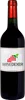
Winery Weingärtner Stromberg ZabergäuEpos Lemberger Trocken
 Red wine



This wine generally goes well with

Details and technical informations about Winery Weingärtner Stromberg Zabergäu's Epos Lemberger Trocken.
Discover the grape variety: Calabre blanc
Aromatic dry and semi-dry whites with a pale golden colour, a supple palate with moderate acidity, and characteristic muscat aromas (fresh grape, flowers) with Mediterranean notes. Simple profile. Nearly extinct in commercial cultivation, preserved in varietal collections; witnesses the historical spread of Italian varieties across central and eastern Europe. Historic Italian white variety, once grown in central and southern Italy and eastern Europe.
Last vintages of this wine
The best vintages of Epos Lemberger Trocken from Winery Weingärtner Stromberg Zabergäu are 2015, 0
Informations about the Winery Weingärtner Stromberg Zabergäu
The Winery Weingärtner Stromberg Zabergäu is one of of the world's greatest estates. It offers 92 wines for sale in the of Württemberg to come and discover on site or to buy online.

The wine region of Württemberg
Rare predominantly red region in Germany (nearly 70%). Supple, fruity everyday reds: light, crisp Trollinger (Schiava) with red fruits, more structured, spicy, deep Lemberger (Blaufränkisch), generous Schwarzriesling (Pinot Meunier). Riesling king of whites (>2,000 ha), lively and mineral, citrus and green apple. Germany's 4th region (11,500 ha) on the Neckar slopes around Heilbronn and Stuttgart.
The word of the wine: Fulfilled
Said of a wine at its peak that is balanced and offers all its aromatic potential.