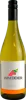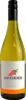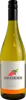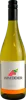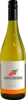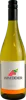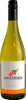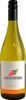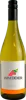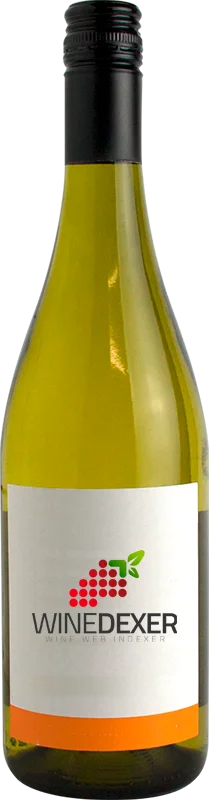
Winery WaitroseMartisor Pinot Grigio
 White wine


This wine generally goes well with poultry, veal or shellfish.

Food and wine pairings with Martisor Pinot Grigio
Pairings that work perfectly with Martisor Pinot Grigio



Original food and wine pairings with Martisor Pinot Grigio
The Martisor Pinot Grigio of Winery Waitrose matches generally quite well with dishes of veal, shellfish or poultry such as recipes of chicken with rice for cookeo robot, scupion (small cuttlefish) in hot sauce or leek, goat cheese and bacon quiche.
Details and technical informations about Winery Waitrose's Martisor Pinot Grigio.
Discover the grape variety: Béni carlo
Intense, full-bodied, high-alcohol reds with a deep purple colour, supple tannins and an ample palate with moderate acidity, featuring signature aromas of ripe black fruits (blackberry, plum), spices and Mediterranean notes from the Levant. Productive. Once exported to Bordeaux in the 19th century to bolster blends, today marginal, surviving in a few heritage plots of the Spanish Levant. Indigenous Spanish black variety from Valencia and Catalonia, around Benicarló.
Last vintages of this wine
The best vintages of Martisor Pinot Grigio from Winery Waitrose are 2015
Informations about the Winery Waitrose
The Winery Waitrose is one of of the world's great estates. It offers 112 wines for sale in the of Roman wall to come and discover on site or to buy online.

The wine region of Roman wall
Romanian region on the Dobrogea hills between the Danube and the Black Sea (Murfatlar, Sarica-Niculiţel, Istria-Babadag), reference to Trajan's Wall, temperate continental climate moderated by the sea (~300 sunny days). Signature Chardonnay: full and tense with yellow apple, citrus, honey, white flowers and mineral hints — occasionally historic dessert wine. Floral Pinot Gris, lively Aligoté, Fetească Albă and Regală in whites. Cabernet, Merlot and Pinot Noir in reds.
The word of the wine: Vinification of sweet wines
Moelleux and liquoreux wines are characterized by the presence of residual sugars (natural sugar of the grape), not transformed into alcohol under the effect of yeasts. The fermentation is stopped by cold and by the addition of sulphur dioxide (sulphur).