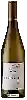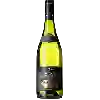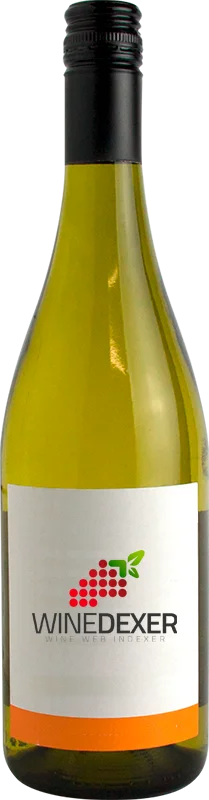
Winery Véronique Günther ChéreauLe Fresnay Grande Reserve Muscadet Sèvre et Maine Sur Lie
 White wine



In the mouth this white wine is a with a nice freshness.
This wine generally goes well with appetizers and snacks, lean fish or shellfish.
Taste structure of the Le Fresnay Grande Reserve Muscadet Sèvre et Maine Sur Lie from the Winery Véronique Günther Chéreau
Light | Bold | |
Dry | Sweet | |
Soft | Acidic |
In the mouth the Le Fresnay Grande Reserve Muscadet Sèvre et Maine Sur Lie of Winery Véronique Günther Chéreau in the region of Loire Valley is a with a nice freshness.
Wine flavors and olphactive analysis

On the nose the Le Fresnay Grande Reserve Muscadet Sèvre et Maine Sur Lie of Winery Véronique Günther Chéreau in the region of Loire Valley often reveals types of flavors of lemon, earth or tree fruit and sometimes also flavors of citrus fruit.
Food and wine pairings with Le Fresnay Grande Reserve Muscadet Sèvre et Maine Sur Lie
Pairings that work perfectly with Le Fresnay Grande Reserve Muscadet Sèvre et Maine Sur Lie



Original food and wine pairings with Le Fresnay Grande Reserve Muscadet Sèvre et Maine Sur Lie

The Le Fresnay Grande Reserve Muscadet Sèvre et Maine Sur Lie of Winery Véronique Günther Chéreau matches generally quite well with dishes of shellfish, appetizers and snacks or lean fish such as recipes of spanish seafood paella, parmesan and poppy seed tuiles (5th meeting) or monkfish in foil.
Details and technical informations about Winery Véronique Günther Chéreau's Le Fresnay Grande Reserve Muscadet Sèvre et Maine Sur Lie.
Discover the grape variety: Chenin
Chenin, also known as pinot de la Loire Valley (pineau), is the flagship grape variety of the Loire Valley. It would have found its first origins in Anjou where it would have been cultivated by the monks of the Abbey of Saint-Maur located between Angers and Saumur since the 6th century. chenin is a great white grape variety which likes particularly the chalky soils called here stones of tufa which were used for the construction of the castles of the Loire Valley. Its bunches are medium-sized, fairly compact and its berries are more or less small. It is an early variety, which resists well to diseases. Chenin has the particularity of being able to participate as well in the elaboration of dry white wines as of sweet white wines or sparkling wines. Perfectly structured by the acidity, elegant, with a complex nose and aromas of yellow fruits, dry fruits, citrus fruits, white flowers, honey... the wine resulting from the chenin is rather lively and nervous, which allows him a good potential of guard. Chenin covers about 10,000 hectares in France, and is very productive in South Africa where it covers more than 26,000 hectares.
Informations about the Winery Véronique Günther Chéreau
The Winery Véronique Günther Chéreau is one of of the world's great estates. It offers 44 wines for sale in the of Muscadet-Sevre et Maine to come and discover on site or to buy online.

The wine region of Muscadet-Sevre et Maine
The wine region of Muscadet-Sevre et Maine is located in the region of Muscadet of Muscadet of France. Wineries and vineyards like the Domaine de l'Ecu or the Domaine de Bellevue produce mainly wines white and red. The most planted grape varieties in the region of Muscadet-Sevre et Maine are Melon, Muscadelle and Folle blanche, they are then used in wines in blends or as a single variety. On the nose of Muscadet-Sevre et Maine often reveals types of flavors of cream, asparagus or baked apple and sometimes also flavors of honeydew melon, hay or citrus zest.
The wine region of Loire Valley
The Loire Valley is a key wine region in western France. It follows the course of the Loire River on its Long journey through the heart of France, from the inland hills of the Auvergne to the plains of the French Atlantic coast near Nantes (Muscadet country). Important in terms of quantity and quality, the region produces large quantities (about 4 million h/l each year) of everyday wines, as well as some of France's greatest wines. Diversity is another of the region's major assets; the styles of wine produced here range from the light, tangy Muscadet to the Sweet, honeyed Bonnezeaux, the Sparkling whites of Vouvray and the juicy, Tannic reds of Chinon and Saumur.
The word of the wine: Bacchus
Roman god of the vine and wine, often evoked to qualify everything that concerns the world of wine, and in particular its consumption. His name gave the adjective "bachique" which suggests the idea of celebration and conviviality.