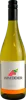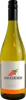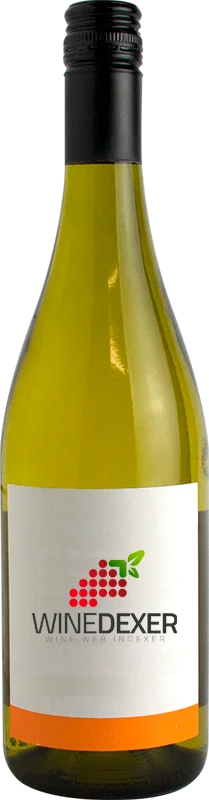
Winery Von der MarkVom Löss Grauburgunder
 White wine



In the mouth this white wine is a with a nice freshness.
This wine generally goes well with pork, cured meat or mushrooms.

Taste structure of the Vom Löss Grauburgunder from the Winery Von der Mark
Light | Bold | |
Dry | Sweet | |
Soft | Acidic |
In the mouth the Vom Löss Grauburgunder of Winery Von der Mark in the region of Baden is a with a nice freshness.
Food and wine pairings with Vom Löss Grauburgunder
Pairings that work perfectly with Vom Löss Grauburgunder


Original food and wine pairings with Vom Löss Grauburgunder

The Vom Löss Grauburgunder of Winery Von der Mark matches generally quite well with dishes of pork, spicy food or mushrooms such as recipes of filet mignon in a crust, crab matoutou or risotto with porcini mushrooms.
Details and technical informations about Winery Von der Mark's Vom Löss Grauburgunder.
Discover the grape variety: Castets
Structured, colourful reds with a dark ruby colour, firm tannins and a dense palate showing black fruits (blackberry, cassis), spices, Mediterranean herbs and balsamic notes. A rare tannic profile today. Preserved for its heritage value, it contributes to IGP Aveyron and is studied for its genetic interest among the ancient grapes of the South-West.
Last vintages of this wine
The best vintages of Vom Löss Grauburgunder from Winery Von der Mark are 2014, 0
Informations about the Winery Von der Mark
The Winery Von der Mark is one of of the world's great estates. It offers 46 wines for sale in the of Baden to come and discover on site or to buy online.

The wine region of Baden
German capital of Pinot Noir (Spätburgunder): silky, fine reds with notes of red fruits, cherry, undergrowth and sweet spices, melted tannins. Round Grauburgunder (Pinot Gris), lively Weissburgunder, supple Müller-Thurgau, mineral Riesling. Germany's 3rd region (15,000 ha) in Baden-Württemberg facing Alsace, one of the country's warmest climates, volcanic soils at the Kaiserstuhl. Cradle of modern great German reds, elegant and fine.
The word of the wine: Reassembly
During the vinification process, a "cap" is formed at the top of the vats with the solid parts (skin, pulp, pips, etc.), which contain tannins and colouring elements. Pumping over consists of emptying the vat from the bottom and pouring the juice back to the top, in order to mix the cap and the juice and to favour the exchange and the extraction. This old technique allows a better exchange between the solid parts and the liquid.