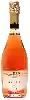
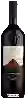
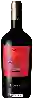
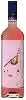
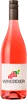
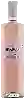
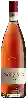
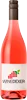
Winery Viticoltori PonteGiò Rosato
 Pink wine



This wine generally goes well with poultry, veal or shellfish.

Wine flavors and olphactive analysis

On the nose the Giò Rosato of Winery Viticoltori Ponte in the region of Veneto often reveals types of flavors of earth, tree fruit or red fruit.
Food and wine pairings with Giò Rosato
Pairings that work perfectly with Giò Rosato



Original food and wine pairings with Giò Rosato
The Giò Rosato of Winery Viticoltori Ponte matches generally quite well with dishes of veal, shellfish or poultry such as recipes of vitello tonnato, soupions à la provençale or thai chicken with red curry and green curry in coconut milk.
Details and technical informations about Winery Viticoltori Ponte's Giò Rosato.
Discover the grape variety: Mondeusehe
Light, lively whites to drink young with a pale golden colour, airy palate with preserved acidity, showing undemonstrative aromas of citrus and alpine white flowers. Discreet Savoyard profile. Very rare, preserved for its heritage value, part of the ancient alpine varieties studied for their genetic and ampelographic interest in French collections. Rare French white variety, sometimes given as a synonym for the Savoyard Mondeuse Blanche.
Last vintages of this wine
The best vintages of Giò Rosato from Winery Viticoltori Ponte are 2016, 2015, 0, 2018 and 2019.
Informations about the Winery Viticoltori Ponte
The Winery Viticoltori Ponte is one of of the world's great estates. It offers 89 wines for sale in the of Veneto to come and discover on site or to buy online.

The wine region of Veneto
World star of Prosecco: fresh, light Glera sparklers with notes of pear, green apple and white flowers, fruity, convivial bubbles. Veronese reds from Corvina and Rondinella: light, crisp Bardolino, fruity Valpolicella, opulent, concentrated Amarone DOCG (black cherry, chocolate, raisin) from dried grapes. Mineral, almondy Soave (Garganega) whites, fresh Pinot Grigio. 97,500 ha, Italy's largest production.
The word of the wine: Drawing (liqueur de)
In champagne and sparkling wines of traditional method, addition to the wine, at the time of bottling (tirage) of sugars and yeasts dissolved in wine. These components will provoke the second fermentation in the bottle leading to the formation of carbon dioxide bubbles.