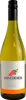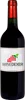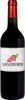
Winery Vino GaubeZeleni Silvanec
 White wine



This wine generally goes well with poultry, lean fish or shellfish.

Wine flavors and olphactive analysis

On the nose the Zeleni Silvanec of Winery Vino Gaube in the region of Podravje often reveals types of flavors of vegetal, tree fruit.
Food and wine pairings with Zeleni Silvanec
Pairings that work perfectly with Zeleni Silvanec



Original food and wine pairings with Zeleni Silvanec


The Zeleni Silvanec of Winery Vino Gaube matches generally quite well with dishes of shellfish, spicy food or poultry such as recipes of shrimp risotto with curry, lomo saltado or cheeseburger from a to z.
Details and technical informations about Winery Vino Gaube's Zeleni Silvanec.
Discover the grape variety: Gamay à jus blanc
Supple and fruity reds with a bright ruby colour, silky tannins and a juicy palate with preserved acidity, featuring signature aromas of red fruits (strawberry, raspberry, cherry), floral notes (peony) and banana in carbonic maceration. Drink young or age on the crus. Star of the ten Beaujolais crus (Morgon, Moulin-à-Vent, Fleurie), also grown in Touraine, Bugey and the Romand Switzerland. French black grape (synonym Gamay noir à jus blanc).
Last vintages of this wine
The best vintages of Zeleni Silvanec from Winery Vino Gaube are 2017, 0, 2016
Informations about the Winery Vino Gaube
The Winery Vino Gaube is one of of the world's greatest estates. It offers 18 wines for sale in the of Podravje to come and discover on site or to buy online.

The wine region of Podravje
Slovenia's largest wine region around Maribor and Ormož, Germanic heritage of former Lower Styria. Signature aromatic dry whites dominate. Renski Rizling (Rhine Riesling) taut and mineral with signature notes of lemon, white peach, white flowers and a petrol touch. Laški Rizling (Welschriesling) fresh and refreshing, lively Sauvignon (boxwood, citrus), ample Sivi Pinot (Pinot Gris), opulent Traminer (lychee, rose), local Furmint for keeping.
The word of the wine: Herbaceous
Vegetable odour reminiscent of freshly cut grass and considered a defect of the wine.