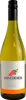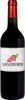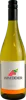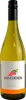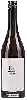
Winery Vino GaubeSauvignon
 White wine


This wine generally goes well with vegetarian, rich fish (salmon, tuna etc) or shellfish.
The Sauvignon of the Winery Vino Gaube is in the top 80 of wines of Podravje.

Food and wine pairings with Sauvignon
Pairings that work perfectly with Sauvignon



Original food and wine pairings with Sauvignon
The Sauvignon of Winery Vino Gaube matches generally quite well with dishes of rich fish (salmon, tuna etc), shellfish or vegetarian such as recipes of norwegian salmon parmentier, seafood, chorizo and chicken paella from patou or broccoli and blue cheese quiche without pastry.
Details and technical informations about Winery Vino Gaube's Sauvignon.
Discover the grape variety: Fiano blanc
Structured, aromatic dry whites with a pale golden colour, an ample palate and preserved acidity, showing signature aromas of white flowers (acacia, honeysuckle), yellow fruits (pear, peach), honey, hazelnut, almond and volcanic mineral notes. Fine ageing and cellaring potential. The absolute star of Fiano di Avellino DOCG in Campania, one of Italy's great whites. Indigenous Italian variety from Campania, one of the oldest in the south (Roman era).
Last vintages of this wine
The best vintages of Sauvignon from Winery Vino Gaube are 2019, 0, 2018
Informations about the Winery Vino Gaube
The Winery Vino Gaube is one of of the world's greatest estates. It offers 18 wines for sale in the of Podravje to come and discover on site or to buy online.

The wine region of Podravje
Slovenia's largest wine region around Maribor and Ormož, Germanic heritage of former Lower Styria. Signature aromatic dry whites dominate. Renski Rizling (Rhine Riesling) taut and mineral with signature notes of lemon, white peach, white flowers and a petrol touch. Laški Rizling (Welschriesling) fresh and refreshing, lively Sauvignon (boxwood, citrus), ample Sivi Pinot (Pinot Gris), opulent Traminer (lychee, rose), local Furmint for keeping.
The word of the wine: Fade in
Said of a wine whose different elements are perceived in the mouth in a pleasant and harmonious way.