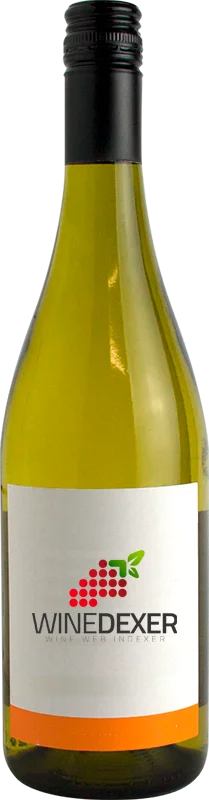
Winery Vini San GiorgioProsecco
 White wine



This wine generally goes well with appetizers and snacks, rich fish (salmon, tuna etc) or shellfish.
Food and wine pairings with Prosecco
Pairings that work perfectly with Prosecco



Original food and wine pairings with Prosecco


The Prosecco of Winery Vini San Giorgio matches generally quite well with dishes of rich fish (salmon, tuna etc), shellfish or mature and hard cheese such as recipes of tuna nuggets, scallops on a bed of leeks or courgette cake with bacon and goat cheese.
Details and technical informations about Winery Vini San Giorgio's Prosecco.
Discover the grape variety: Morescono
Most certainly Italian, genetic analysis has confirmed that it is the variety known as nieddu mannu. It can be found in Corsica and Italy (Sardinia). It is registered in the Official Catalogue of Vat Varieties list A1. However, it should not be confused with morescola, also grown in Corsica, which is none other than aubun and muristellu, one of the synonyms of morrastel.
Last vintages of this wine
The best vintages of Prosecco from Winery Vini San Giorgio are 2017, 0
Informations about the Winery Vini San Giorgio
The Winery Vini San Giorgio is one of of the world's greatest estates. It offers 11 wines for sale in the of Friuli-Venezia Giulia to come and discover on site or to buy online.

The wine region of Friuli-Venezia Giulia
Friuli-Venezia Giulia is an autonomous region in Italy, located in the extreme Northeast of the country, bordered by Austria and Slovenia to the north and east respectively. The eponymous wine region has four DOCGs, twelve DOCs and three PGIs and is best known for its white wine production. 77% of the region's wines are white, one of the highest proportions of any Italian region. The region's wines are distinctly different from other Italian wines in that they are made from non-traditional Grape varieties such as Sauvignon blanc, Riesling and Pinot blanc, as well as typically Italian varieties such as pinot gris and picolit.
The word of the wine: Aging on lees
Maturing on the lees enhances the stability, aromatic complexity and texture of white wines, which gain in body and volume. This phenomenon is induced by autolysis, the process of self-degradation of the lees.