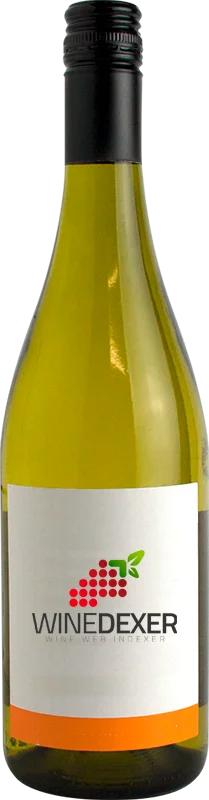
Winery Vinarstvi ZapletalPalava
 White wine
This wine generally goes well with
Details and technical informations about Winery Vinarstvi Zapletal's Palava.
Discover the grape variety: Amigne
A very old vine cultivated in the Swiss Valais, more precisely in Vétroz. The latest genetic analyses, to be confirmed however, show that it would be related to the petit meslier and in fact to the gouais and the savagnin. It should be noted that it is only known in its country and region of origin.
Informations about the Winery Vinarstvi Zapletal
The Winery Vinarstvi Zapletal is one of of the world's greatest estates. It offers 13 wines for sale in the of Velkopavlovicka to come and discover on site or to buy online.

The wine region of Velkopavlovicka
The wine region of Velkopavlovicka is located in the region of Jihomoravsky of Czech Republic. Wineries and vineyards like the Domaine Vinařství František Mádl - Malý Vinař or the Domaine J. Stavek produce mainly wines white, red and sweet. The most planted grape varieties in the region of Velkopavlovicka are Pinot gris, Chardonnay and Pinot noir, they are then used in wines in blends or as a single variety.
The wine region of Jihomoravsky
Bohemia (Cechy in Czech) of Czech Republic is one of the most northern regions of viniculture in Europe. It was established Long before the expansion of Moravia, but despite this headstart it now accounts for less than five percent of the Czech Republic's annual wine production. Bohemia's position in the Czech wine industry is now largely ceremonial as it covers the picturesque, traditional, historic end of production, leaving the Moravia region to churn out many millions of gallons of wine each year. Bohemia is divided into the two sub-regions of Melnická and Litomerická with a majority of Vineyards concentrated around river systems, especially in the valleys of Vltava, Labe, Berounka and Ohre.
The word of the wine: Sweet
Generic term for wines containing residual sugar (natural sugars in the grapes that have not been transformed into alcohol). It is also used to describe a wine with a dominantly sweet flavour, without further explanation.