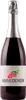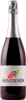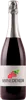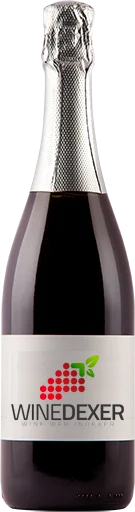
Winery Villa OppiLambrusco Emilia Amabile
 Sparkling wine



This wine generally goes well with pork, poultry or rich fish (salmon, tuna etc).

Food and wine pairings with Lambrusco Emilia Amabile
Pairings that work perfectly with Lambrusco Emilia Amabile



Original food and wine pairings with Lambrusco Emilia Amabile


The Lambrusco Emilia Amabile of Winery Villa Oppi matches generally quite well with dishes of pork, rich fish (salmon, tuna etc) or mature and hard cheese such as recipes of pork roll with mustard, tuna flan with leek coulis or pork terrine with beaufort cheese.
Details and technical informations about Winery Villa Oppi's Lambrusco Emilia Amabile.
Discover the grape variety: Nebbiolo
Austere, noble reds, pale in colour and quick to turn garnet, with powerful tannins and high acidity, showing aromas of sour cherry, faded rose, tar, white truffle, leather and balsamic notes with age. Outstanding ageing potential. Absolute star of Piedmont with Barolo DOCG and Barbaresco DOCG, also in Roero, Gattinara, Ghemme and Valtellina (Chiavennasca). A late-ripening Italian variety among the world's greatest.
Last vintages of this wine
The best vintages of Lambrusco Emilia Amabile from Winery Villa Oppi are 0
Informations about the Winery Villa Oppi
The Winery Villa Oppi is one of of the world's greatest estates. It offers 24 wines for sale in the of Emilia-Romagna to come and discover on site or to buy online.

The wine region of Emilia-Romagna
Kingdom of Lambrusco: fresh, fruity sparkling reds (blackberry, cherry, violet), from gourmet dry to convivial off-dry, perfect with local charcuterie. World's best-selling sparkling wine on the Emilia side (Sorbara, Grasparossa, Salamino). East, Romagna: supple fruity Sangiovese, Albana (Italy's 1st white DOCG, 1987) ample and almondy. Also red Gutturnio and white Pignoletto.
The word of the wine: Bracket
Black grape variety from Provence which contributes to the personality of the red wines of the AOC Bellet, near Nice. It gives a lightly colored but full-bodied wine that is good with age. Syn.: brachet.