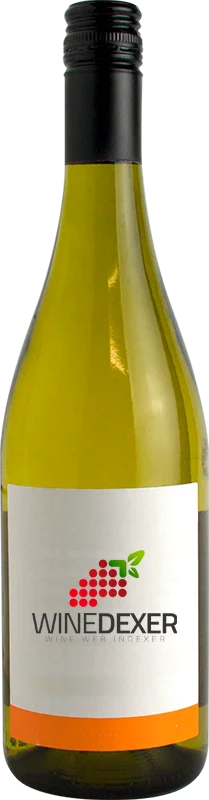
Winery Villa KrimWinery Yard
 White wine



This wine generally goes well with pork, vegetarian or poultry.
The Winery Yard of the Winery Villa Krim is in the top 70 of wines of Одеса.

Food and wine pairings with Winery Yard
Pairings that work perfectly with Winery Yard



Original food and wine pairings with Winery Yard



The Winery Yard of Winery Villa Krim matches generally quite well with dishes of pork, rich fish (salmon, tuna etc) or spicy food such as recipes of oven-baked sausage, red tuna steak provençal style or chicken tikka massala.
Details and technical informations about Winery Villa Krim's Winery Yard.
Discover the grape variety: Riesling
Crystalline, taut whites with vibrant acidity and aromas of citrus, green apple, white flowers, vineyard peach and mineral/petrol notes with age. Made as dry (Trocken, Alsace), off-dry (Kabinett, Spätlese) and sweet (Auslese, Beerenauslese, Trockenbeerenauslese, late harvest). Star of the Moselle, Rheingau, Alsace AOC and Wachau. Also exported to Clare Valley and Finger Lakes.
Last vintages of this wine
The best vintages of Winery Yard from Winery Villa Krim are 2017, 2018, 0, 2019
Informations about the Winery Villa Krim
The Winery Villa Krim is one of of the world's great estates. It offers 49 wines for sale in the of Одеса to come and discover on site or to buy online.

The wine region of Одеса
Southern region of Ukraine on the Black Sea, temperate maritime climate. Native Odesa Black (Alibernet) is the signature red: deep robe with signature notes of blackcurrant, black cherry, plum, dried herbs, black pepper and a smoky touch, firm tannins — a local Ukrainian selection. Also intense Saperavi, Cabernet Sauvignon, round Merlot, fine Pinot Noir. Native Sukholimansky whites, Chardonnay, Rkatsiteli, Aligoté, Riesling, aromatic Muscat.
The word of the wine: Burgundy melon
A white grape variety from Burgundy that is not widely used in its native region, but has spread to the Nantes region. It is the exclusive variety of Muscadet. It gives a dry pale yellow wine, supple and lively, with an intense bouquet, to which maturing on lees gives fatness and aromatic complexity.