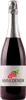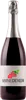
Vignoble MalidainLes Aubrières Pinot Noir
 Red wine



This wine generally goes well with pork, poultry or veal.
Food and wine pairings with Les Aubrières Pinot Noir
Pairings that work perfectly with Les Aubrières Pinot Noir



Original food and wine pairings with Les Aubrières Pinot Noir


The Les Aubrières Pinot Noir of Vignoble Malidain matches generally quite well with dishes of veal, pork or game (deer, venison) such as recipes of stuffed quails, roast pork in the oven or venison leg with tomato sauce.
Details and technical informations about Vignoble Malidain's Les Aubrières Pinot Noir.
Discover the grape variety: Pinot noir
Pinot noir is an important red grape variety in Burgundy and Champagne, and its reputation is well known! Great wines such as the Domaine de la Romanée Conti elaborate their wines from this famous grape variety, and make it a great variety. When properly vinified, pinot noit produces red wines of great finesse, with a wide range of aromas depending on its advancement (fruit, undergrowth, leather). it is also the only red grape variety authorized in Alsace. Pinot Noir is not easily cultivated beyond our borders, although it has enjoyed some success in Oregon, the United States, Australia and New Zealand.
Last vintages of this wine
The best vintages of Les Aubrières Pinot Noir from Vignoble Malidain are 2014, 2017, 2018, 2016
Informations about the Vignoble Malidain
The Vignoble Malidain is one of of the world's greatest estates. It offers 32 wines for sale in the of Val de Loire to come and discover on site or to buy online.

The wine region of Val de Loire
Val de Loire is a regional PGI title, covering wines produced in an area that roughly corresponds to the Val de Loire wine region in northern France. The PGI catchment area covers 14 departments and is one of the largest in France in terms of area. The Terroir is extremely varied throughout the Loire Valley region. Wines produced under the PGI title have as much style as the AOC appellations of the Loire.
The word of the wine: Yeast
Micro-organisms at the base of all fermentative processes. A wide variety of yeasts live and thrive naturally in the vineyard, provided that treatments do not destroy them. Unfortunately, their replacement by laboratory-selected yeasts is often the order of the day and contributes to the standardization of the wine. Yeasts are indeed involved in the development of certain aromas.