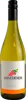
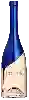
Vignerons de CotignacLes 2 Tours Côtes de Provence
 Red wine



This wine generally goes well with

Details and technical informations about Vignerons de Cotignac's Les 2 Tours Côtes de Provence.
Discover the grape variety: Seyval
Lively, simple and fruity whites with a pale golden colour, an airy palate with preserved acidity, and discreet aromas of citrus, white-fleshed fruits and white flowers. Also used in sparkling bases. Disease-resistant and cold-hardy. Grown in the United Kingdom, Canada (Québec) and the north-eastern United States for northern climates. Family of French hybrid varieties developed by Bertille Seyve in Bourgoin-Jallieu (Isère), the best known being Seyval Blanc.
Last vintages of this wine
The best vintages of Les 2 Tours Côtes de Provence from Vignerons de Cotignac are 2017, 2015
Informations about the Vignerons de Cotignac
The Vignerons de Cotignac is one of of the world's greatest estates. It offers 29 wines for sale in the of Côtes de Provence to come and discover on site or to buy online.

The wine region of Côtes de Provence
World reference for pale, elegant rosé: salmon to onion-skin hue, notes of strawberry, pink grapefruit, white peach and flowers, fresh, dry, mineral palate, taut finish. 90% of output, the Provençal signature. Grenache, Cinsault, Syrah and native Tibouren in the blend. A few fleshy Mediterranean reds (Mourvèdre, Syrah) and saline Vermentino whites.
The wine region of Provence
World capital of dry, refined rosé (~90% of production). Pale rose-petal colour, delicate nose of fresh red fruits (strawberry, raspberry, redcurrant), citrus (pink grapefruit), white flowers and a mineral touch, taut and thirst-quenching palate — the Mediterranean aperitif par excellence. Blends of Grenache, Cinsault, Syrah, Tibouren and Mourvèdre. Fleshy Bandol reds from Mourvèdre (leather, garrigue, age-worthy), straight Cassis whites.
The word of the wine: Bleeding
Old practice for red wines. As soon as the vat is filled with grapes, the tap is opened. A sweet but clear juice escapes from the vat (it can also be used to make rosé). The colour and density of the juice is enhanced, but it should not be overdone. Rarely more than 10% of the volume of a vat, otherwise you risk losing fruit and bringing in bitterness.