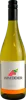
Winery Vicomte Bernard de RomanetLes Pierrelets Saint-Chinian
 White wine
This wine generally goes well with vegetarian, poultry or lean fish.
Food and wine pairings with Les Pierrelets Saint-Chinian
Pairings that work perfectly with Les Pierrelets Saint-Chinian



Original food and wine pairings with Les Pierrelets Saint-Chinian


The Les Pierrelets Saint-Chinian of Winery Vicomte Bernard de Romanet matches generally quite well with dishes of pasta, vegetarian or poultry such as recipes of pasta with chicken, peppers and mushrooms, quiche with bacon and gruyère cheese or chicken liver cake.
Details and technical informations about Winery Vicomte Bernard de Romanet's Les Pierrelets Saint-Chinian.
Discover the grape variety: Corvinone
It has been cultivated for a very long time in northern Italy, but in France it is hardly known. It should not be confused with corvina, another Italian grape variety that is very present in the same region, both of which are most often associated with rondinella and molinara.
Informations about the Winery Vicomte Bernard de Romanet
The Winery Vicomte Bernard de Romanet is one of wineries to follow in Saint-Chinian.. It offers 322 wines for sale in the of Saint-Chinian to come and discover on site or to buy online.

The wine region of Saint-Chinian
Saint-Chinian is an appellation in the Languedoc-roussillon">Languedoc-Roussillon wine region of southern France. It is located between Minervois and Faugeres, which produce similar styles of robust red wine from similar grapes and in a similar landscape. It is also adjacent to the Muscat de Saint-Jean-de-Minervois appellation, which produces Sweet white wines. Therefore, the diversity of the Languedoc region is well demonstrated in this small area.
The wine region of Languedoc-Roussillon
Languedoc (formerly Coteaux du Languedoc) is a key appellation used in the Languedoc-Roussillon wine region of southern France. It covers Dry table wines of all three colors (red, white and rosé) from the entire region, but leaves Sweet and Sparkling wines to other more specialized appellations. About 75% of all Languedoc wines are red, with the remaining 25% split roughly down the middle between whites and rosés. The appellation covers most of the Languedoc region and almost a third of all the vineyards in France.
The word of the wine: Maceration
Prolonged contact and exchange between the juice and the grape solids, especially the skin. Not to be confused with the time of fermentation, which follows maceration. The juice becomes loaded with colouring matter and tannins, and acquires aromas. For a rosé, the maceration is short so that the colour does not "rise" too much. For white wines too, a "pellicular maceration" can be practised, which allows the wine to acquire more fat.