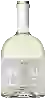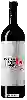
Winery Vicente GandíaEora Mojito
 Sparkling wine



In the mouth this sparkling wine is a with a nice vivacity and a fine and pleasant bubble.
This wine generally goes well with appetizers and snacks, lean fish or shellfish.

Taste structure of the Eora Mojito from the Winery Vicente Gandía
Light | Bold | |
Soft | Acidic | |
Gentle | Fizzy |
In the mouth the Eora Mojito of Winery Vicente Gandía in the region of Valence is a with a nice vivacity and a fine and pleasant bubble.
Wine flavors and olphactive analysis

On the nose the Eora Mojito of Winery Vicente Gandía in the region of Valence often reveals types of flavors of spices, citrus fruit.
Food and wine pairings with Eora Mojito
Pairings that work perfectly with Eora Mojito



Original food and wine pairings with Eora Mojito

The Eora Mojito of Winery Vicente Gandía matches generally quite well with dishes of shellfish, appetizers and snacks or lean fish such as recipes of fish and seafood gratin, emulsion of foie gras with pata negra or cod tournedos with chorizo.
Details and technical informations about Winery Vicente Gandía's Eora Mojito.
Discover the grape variety: Xarello
Structured, aromatic whites with full body and firm acidity, with aromas of white flowers, yellow fruits, fennel, fresh almond, Mediterranean herbs and mineral notes. Central component of Cava DO (with macabeo and parellada), bringing structure and ageing potential to Catalan sparkling wines. Also as ambitious still whites in Penedès DO and Classic Penedès. Native Catalan variety.
Last vintages of this wine
The best vintages of Eora Mojito from Winery Vicente Gandía are 0
Informations about the Winery Vicente Gandía
The Winery Vicente Gandía is one of of the world's great estates. It offers 81 wines for sale in the of Valence to come and discover on site or to buy online.

The wine region of Valence
Sunny Mediterranean Levant, sun-drenched accessible wines. Monastrell (Mourvèdre) star red in Alicante: fleshy and deep with black fruits, garrigue, leather and spice, firm tannins. Round, fruity Bobal from Utiel-Requena, supple Garnacha, juicy Tempranillo. Fresh whites: light Merseguera, aromatic Moscatel (fresh grape, flowers).
The word of the wine: Drain
Stopper, originally made of wood, used to plug barrels and more generally all wooden containers used to store or mature wine.