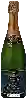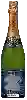
Winery Veuve AmbalComte de Ninot Blanc de Blancs Brut
 Sparkling wine
This wine is a blend of 2 varietals which are the Chenin blanc and the Colombard.
This wine generally goes well with fruity desserts, poultry or lean fish.

Food and wine pairings with Comte de Ninot Blanc de Blancs Brut
Pairings that work perfectly with Comte de Ninot Blanc de Blancs Brut


Original food and wine pairings with Comte de Ninot Blanc de Blancs Brut


The Comte de Ninot Blanc de Blancs Brut of Winery Veuve Ambal matches generally quite well with dishes such as recipes .
Details and technical informations about Winery Veuve Ambal's Comte de Ninot Blanc de Blancs Brut.
Discover the grape variety: Chenin blanc
Chameleon whites with taut acidity, ranging from mineral dry (Savennières, Vouvray sec) to off-dry and medium-sweet (Vouvray, Montlouis), sumptuous botrytised sweet (Quarts-de-Chaume, Bonnezeaux, Coteaux du Layon) and brilliant sparkling (Crémant de Loire, Vouvray brut). Aromas of quince, apple, honey, white flowers, beeswax and flint. An Anjou variety, also star of South Africa's Western Cape.
Last vintages of this wine



The best vintages of Comte de Ninot Blanc de Blancs Brut from Winery Veuve Ambal are 0
Informations about the Winery Veuve Ambal
The Winery Veuve Ambal is one of of the world's great estates. It offers 109 wines for sale in the of Burgundy to come and discover on site or to buy online.

The wine region of Burgundy
Absolute reference for great terroir wines: opulent, mineral Chardonnay in whites (chiselled Chablis, buttery Meursault, majestic Montrachet), fine and silky Pinot Noir in reds (full-bodied Gevrey, structured Pommard, delicate Volnay). Exceptional age-worthy wines with complex notes - red fruits, undergrowth, butter, hazelnut. Some lively Aligoté and light Gamay (Mâconnais). 29,500 ha, 84 tiered AOCs (Régionale, Village, 1er Cru, Grand Cru), 1,247 UNESCO Climats.
The word of the wine: Prompt bud
A bud that develops in the year of its formation and gives an entrecoeur.