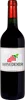
Winery VegoritisWhite Semi-Sweet Station
 White wine


This wine generally goes well with vegetarian, rich fish (salmon, tuna etc) or shellfish.

Food and wine pairings with White Semi-Sweet Station
Pairings that work perfectly with White Semi-Sweet Station



Original food and wine pairings with White Semi-Sweet Station
The White Semi-Sweet Station of Winery Vegoritis matches generally quite well with dishes of rich fish (salmon, tuna etc), shellfish or vegetarian such as recipes of pan-fried salmon with lemon and dill sauce, indian chicken (simplified korma) or nanie's diced ham quiche.
Details and technical informations about Winery Vegoritis's White Semi-Sweet Station.
Discover the grape variety: Xinomavro
Structured, taut reds with a clear ruby robe that quickly evolves towards tawny, firm tannins and sharp high acidity (hence its name, xino-mavro = acid-black), with aromas of red cherry, sun-dried tomato, black olive, dried herbs, spice, leather and balsamic notes. Fine ageing potential, often compared to Nebbiolo. Absolute star of Naoussa PDO in Greek Macedonia, also Amyndeo PDO. Very late-ripening autochthonous Greek variety.
Last vintages of this wine
The best vintages of White Semi-Sweet Station from Winery Vegoritis are 0
Informations about the Winery Vegoritis
The Winery Vegoritis is one of of the world's great estates. It offers 14 wines for sale in the of Macedonia to come and discover on site or to buy online.

The wine region of Macedonia
Large wine region of northern Greece, 1st by volume, altitude vineyards tempered by mountain massifs. Signature Xinomavro ("acid black") as king grape: structured, complex reds with signature notes of tart cherry, dried tomato, black olive, Mediterranean herbs, leather and a mineral touch, firm tannins and long ageing — compared to Nebbiolo. Stars in PDO Naoussa, Amyndeon, Goumenissa and Rapsani. Also lively, mineral Assyrtiko, aromatic Malagousia as whites.
The word of the wine: Maturing (champagne)
After riddling, the bottles are stored on "point", upside down, with the neck of one bottle in the bottom of the other. The duration of this maturation is very important: in contact with the dead yeasts, the wine takes on subtle aromas and gains in roundness and fatness. A brut without year must remain at least 15 months in the cellar after bottling, a vintage 36 months.