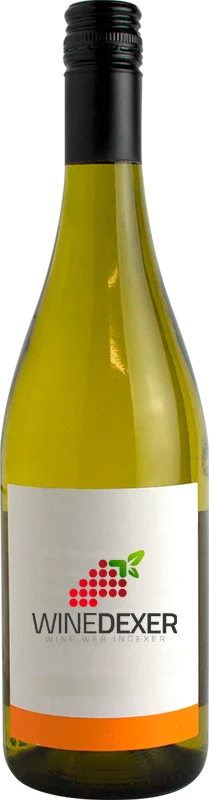
Winery VegamarHuella de Verdejo
 White wine



In the mouth this white wine is a with a nice freshness.
This wine generally goes well with pork, vegetarian or shellfish.

Taste structure of the Huella de Verdejo from the Winery Vegamar
Light | Bold | |
Dry | Sweet | |
Soft | Acidic |
In the mouth the Huella de Verdejo of Winery Vegamar in the region of Valence is a with a nice freshness.
Food and wine pairings with Huella de Verdejo
Pairings that work perfectly with Huella de Verdejo



Original food and wine pairings with Huella de Verdejo

The Huella de Verdejo of Winery Vegamar matches generally quite well with dishes of pork, shellfish or vegetarian such as recipes of endives au gratin without béchamel sauce, cuttlefish in sauce or quiche without pastry, courgette and blue cheese.
Details and technical informations about Winery Vegamar's Huella de Verdejo.
Discover the grape variety: Verdejo
Lively, aromatic whites with sharp acidity and a sleek palate, with intense aromas of grapefruit, lime, fresh herbs, fennel, green almond and saline notes. Typically slightly bitter finish. Absolute star of Rueda DO in Castile-León, now widely exported. Also made as lees-aged and oak-influenced structured cuvées. Native Spanish variety, an ancient Castilian grape.
Last vintages of this wine
The best vintages of Huella de Verdejo from Winery Vegamar are 2018, 2019, 0
Informations about the Winery Vegamar
The Winery Vegamar is one of of the world's great estates. It offers 47 wines for sale in the of Valence to come and discover on site or to buy online.

The wine region of Valence
Sunny Mediterranean Levant, sun-drenched accessible wines. Monastrell (Mourvèdre) star red in Alicante: fleshy and deep with black fruits, garrigue, leather and spice, firm tannins. Round, fruity Bobal from Utiel-Requena, supple Garnacha, juicy Tempranillo. Fresh whites: light Merseguera, aromatic Moscatel (fresh grape, flowers).
The word of the wine: Clear
Said of a wine that is clear and brilliant in colour and contains no suspended matter.