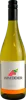
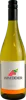
Winery VegalfaroBlanco
 White wine
This wine generally goes well with

Details and technical informations about Winery Vegalfaro's Blanco.
Discover the grape variety: Colombard
Lively, aromatic whites with sharp acidity and a brisk palate, with aromas of citrus (grapefruit, lime), exotic fruits (passion fruit, mango), boxwood, nectarine and herbal notes. Typically crisp finish. Pillar of Côtes de Gascogne IGP (modern aromatic dry whites) and historically the base spirit for Cognac and Armagnac distillation. Exported to South Africa and California. Charentes variety, a cross of chenin × gouais blanc.
Informations about the Winery Vegalfaro
The Winery Vegalfaro is one of of the world's great estates. It offers 42 wines for sale in the of Valence to come and discover on site or to buy online.

The wine region of Valence
Sunny Mediterranean Levant, sun-drenched accessible wines. Monastrell (Mourvèdre) star red in Alicante: fleshy and deep with black fruits, garrigue, leather and spice, firm tannins. Round, fruity Bobal from Utiel-Requena, supple Garnacha, juicy Tempranillo. Fresh whites: light Merseguera, aromatic Moscatel (fresh grape, flowers).
The word of the wine: Ice wine
Sweet wine obtained by pressing frozen berries harvested in the middle of winter.